

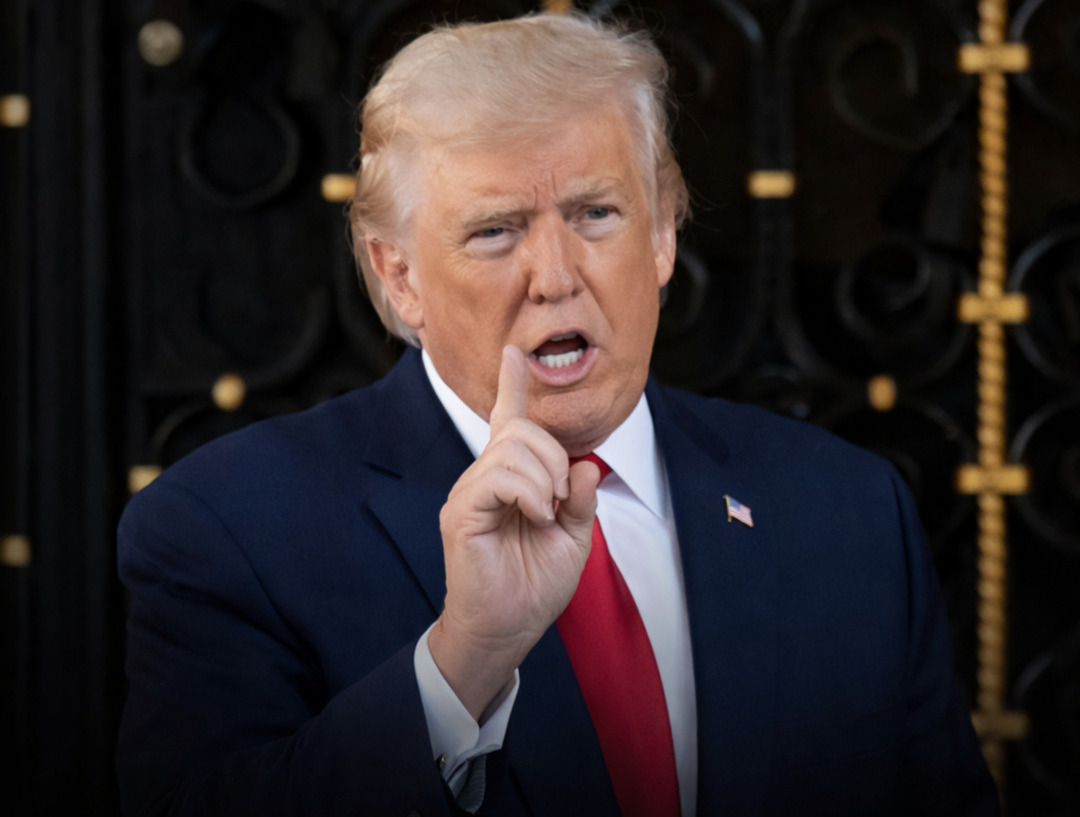
U.S. President Donald Trump has declared that prospects for diplomacy with Iran have effectively collapsed, insisting it is now “too late” for renewed negotiations as Israeli military operations against Tehran move into a fourth consecutive day. The statement signals a hardening stance from Washington at a moment when the Middle East is bracing for further escalation.
The unfolding confrontation between Israel and Iran has intensified rapidly, with sustained air raids targeting strategic and military sites in and around Tehran. Iranian authorities, in turn, have vowed retaliation, raising concerns that the conflict could spill across borders and draw in additional regional and global actors.
Diplomatic Overtures Rejected Amid Escalating Violence
In remarks that reverberated across global capitals, Trump dismissed suggestions that Tehran’s recent signals of willingness to reengage in talks could still produce a breakthrough. According to the president, opportunities for negotiation had passed prior to the launch of the current wave of military operations.
While Iranian officials had reportedly hinted at a readiness to reopen channels of communication, Trump framed the timing as insufficient. The U.S. administration’s posture appears aligned with Israel’s strategic objectives, emphasizing deterrence and military pressure rather than immediate diplomacy.
The firm tone contrasts with previous periods in which Washington and Tehran, despite deep mistrust, explored indirect negotiations through intermediaries. Now, with missiles striking urban centers and defense systems activated across the region, diplomatic maneuvering has taken a back seat to battlefield realities.
Israeli Strikes Intensify Over Tehran
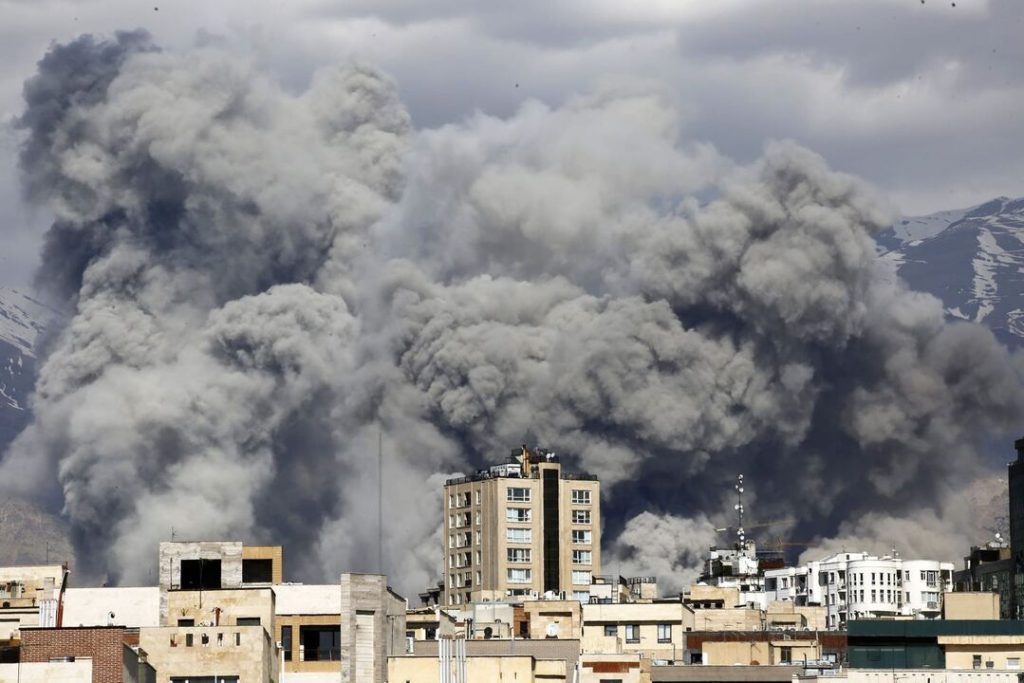
Israeli air operations have focused on what officials describe as high-value targets linked to Iran’s military infrastructure. Explosions have been reported in multiple districts of Tehran, and state media has acknowledged damage to certain facilities without providing comprehensive details.
Israeli leaders argue the campaign is aimed at degrading Iran’s strategic capabilities and preventing further threats to Israeli territory. The sustained nature of the offensive—now entering its fourth day—suggests a broader objective than a limited, symbolic strike.
Military analysts note that the scale and duration of the operation indicate careful planning and intelligence preparation. Precision strikes on air defense installations and command centers appear designed to limit Iran’s capacity for coordinated retaliation.
For background on diplomatic efforts surrounding Iran’s nuclear program, readers can refer to the official overview provided by the International Atomic Energy Agency, which monitors nuclear activities and compliance frameworks globally.
Iran’s Response and Regional Fallout
The risk of additional regional actors becoming involved continues to grow, raising fears that allies could be drawn further into the confrontation, as explored in our analysis of how the U.S.–Iran clash could pull in global partners.
Iran has responded with a combination of missile launches, drone deployments, and warnings of broader retaliation. Air raid sirens have sounded in parts of Israel, and regional security forces remain on high alert.
Beyond the immediate exchange between Israel and Iran, the crisis carries wider implications. Armed groups aligned with Tehran across the region have signaled solidarity, increasing the risk that secondary fronts could open. Border areas in neighboring countries are under close surveillance, and international observers warn of a potential chain reaction that could destabilize an already fragile geopolitical landscape.
Concerns have also emerged over possible maritime disruptions in key shipping lanes. The Middle East’s strategic waterways are vital to global energy supply chains, and any prolonged conflict could send shockwaves through oil markets and international trade routes.
Washington’s Strategic Calculus
Although Israel is leading the current round of strikes, Washington’s position is pivotal. Trump’s declaration that it is “too late” for talks underscores a belief that military leverage, rather than negotiation, is the primary tool at this juncture.
The administration has reiterated its commitment to Israel’s security while stopping short of detailing potential U.S. military involvement. Defense officials have emphasized readiness to protect American personnel and assets in the region.
Critics argue that dismissing diplomatic avenues entirely could narrow options for de-escalation. Supporters, however, contend that decisive action sends a clear message and restores deterrence.
The president’s comments also resonate domestically, where foreign policy debates often intersect with broader political dynamics. With tensions rising abroad, the administration’s response will likely remain under intense scrutiny at home.
Global Reactions and Economic Impact
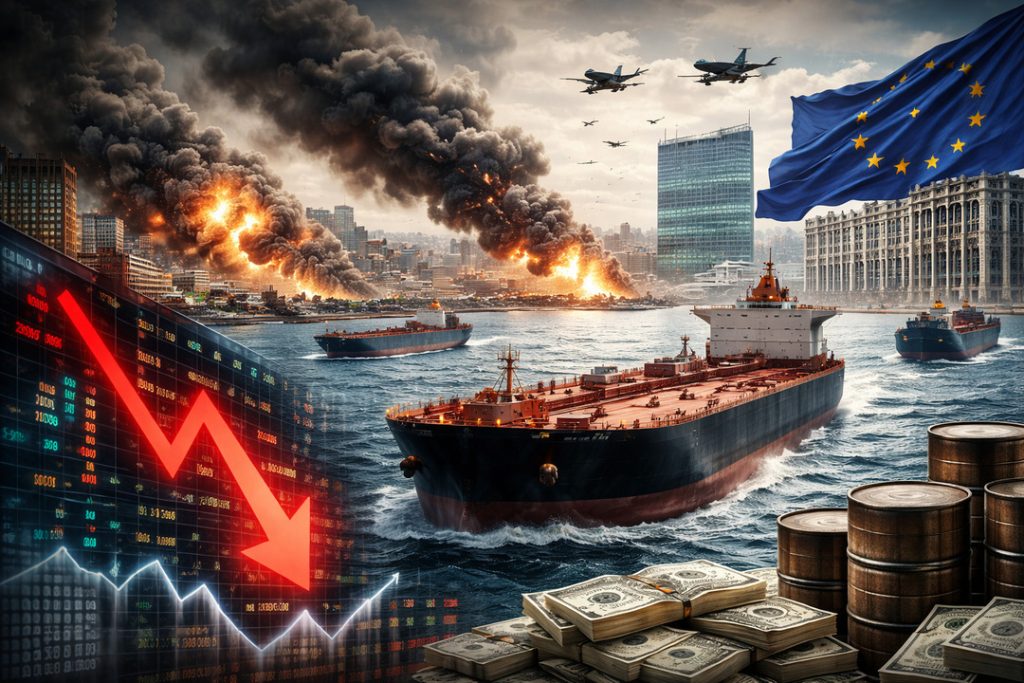
International reaction has been swift. European leaders have urged restraint and called for renewed diplomatic engagement. Several governments have convened emergency meetings to assess the implications for regional stability.
Financial markets have reacted to the uncertainty. Oil prices have climbed amid fears of supply disruptions, and equity markets have shown volatility as investors gauge the risk of a protracted confrontation. Energy-importing nations are particularly sensitive to developments that could constrain exports from the Gulf region.
Airlines have adjusted flight paths to avoid affected airspace, while shipping companies are evaluating contingency plans. The broader economic ripple effects depend largely on whether the conflict remains contained or expands.
Prospects for De-Escalation
Despite Trump’s declaration that negotiations are off the table, diplomatic channels in international crises often operate quietly behind the scenes. Intermediaries, including regional powers and global institutions, may still attempt to broker limited understandings aimed at preventing further escalation.
However, the current trajectory suggests a period of sustained tension. Military operations rarely conclude without either achieving defined objectives or encountering strong countermeasures. As both sides calibrate their next steps, the risk of miscalculation looms large.
Observers note that rhetoric can sometimes harden positions publicly while private diplomacy continues. Whether that dynamic applies in this case remains uncertain.
A Conflict at a Critical Juncture
The fourth day of strikes marks a critical point in the unfolding confrontation. Prolonged hostilities increase the probability of unintended consequences, from civilian displacement to regional spillover.
For now, the emphasis from Washington is clear: pressure over dialogue. Trump’s assertion that it is “too late” for talks reflects a belief that military developments have overtaken diplomatic timelines.
Yet history shows that even the most entrenched conflicts can shift direction under the right circumstances. The coming days will determine whether the crisis intensifies further or opens space—however narrow—for renewed engagement.
As the situation continues to evolve, governments worldwide are watching closely, aware that the balance between deterrence and diplomacy may shape the region’s trajectory for years to come.


