

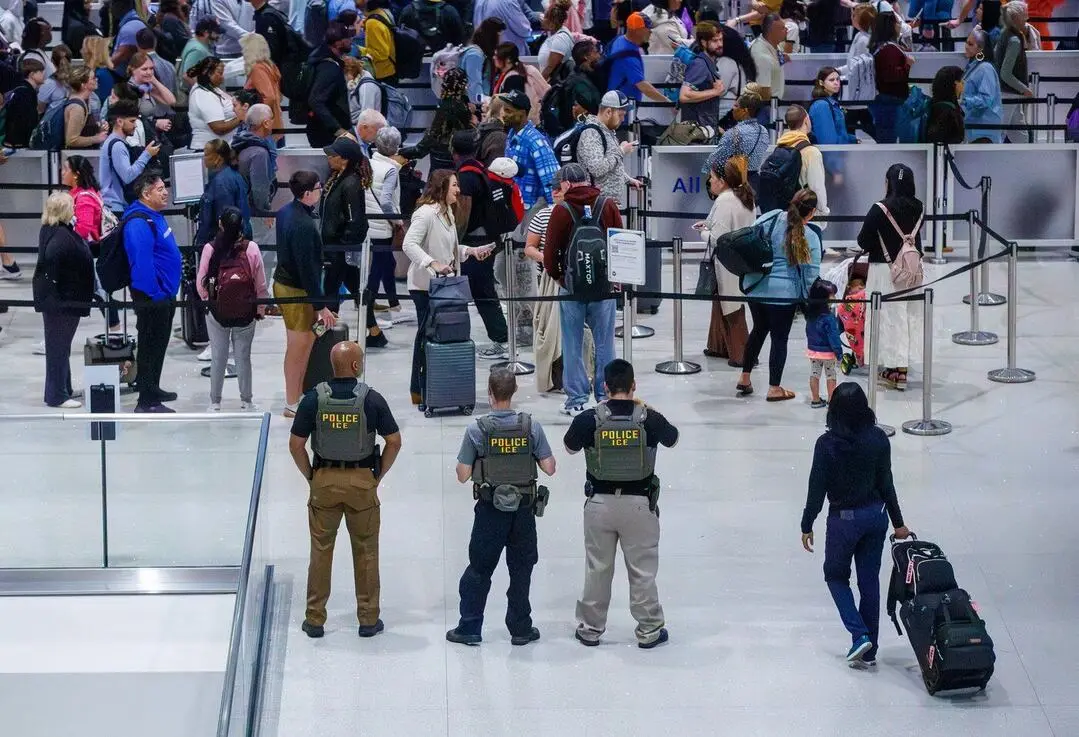
Air travel depends on timing, coordination, and efficiency. When even one part of that system falters, the effects can ripple quickly. The recent surge in TSA callouts airport delays has exposed just how fragile airport operations can be when staffing levels drop unexpectedly.
From my perspective, this is not just a temporary inconvenience—it is a structural issue. When security checkpoints slow down, the entire travel experience becomes unpredictable, affecting passengers, airlines, and airport operations alike.
What TSA Callouts Mean for Travelers
“TSA callouts” refer to instances where Transportation Security Administration personnel are absent from scheduled shifts, often due to illness, scheduling conflicts, or other factors. While occasional absences are expected in any workforce, a spike in callouts can significantly reduce screening capacity.
The result is immediate: longer lines, slower processing times, and increased stress for travelers trying to make flights. At major U.S. airports, these delays can quickly escalate, particularly during peak travel periods.
Passengers often encounter extended wait times at security checkpoints, leading to missed flights and disrupted itineraries. This creates a chain reaction that affects airline schedules and airport efficiency.
Why Airport Security Is Especially Sensitive to Staffing
Airport security operations are highly dependent on precise staffing levels. Unlike other parts of the travel process, security screening cannot easily scale up on short notice.
| Factor | Impact on Operations | Result |
|---|---|---|
| Staffing Shortages | Reduced screening lanes | Longer queues |
| Peak Travel Times | Increased passenger volume | Congestion |
| Security Protocols | Fixed procedures | Limited flexibility |
| Flight Schedules | Tight boarding windows | Missed departures |
Even small disruptions can lead to significant delays, particularly in large airports where passenger flow is constant and high-volume.
The Broader Impact on Airline Operations
The effects of TSA callouts airport delays extend beyond security checkpoints. Airlines must adjust boarding times, gate assignments, and departure schedules when passengers are delayed at security.
This operational strain can lead to cascading delays throughout the day, especially in hub airports where flights are tightly interconnected. In some cases, delays in one location can affect flights across the country.
For travelers looking to better navigate disruptions, our guide on smart flight booking strategies offers practical insights into planning more resilient travel itineraries.
System Pressure and Workforce Challenges
The increase in callouts also highlights broader workforce challenges within the aviation security sector. TSA agents operate in high-pressure environments, often dealing with long hours, high passenger volumes, and strict procedural requirements.
These conditions can contribute to fatigue and burnout, which in turn may impact attendance. Addressing these challenges requires not only staffing adjustments but also improvements in working conditions and support systems.
From what I’ve observed, workforce stability is becoming just as important as technological advancement in maintaining efficient airport operations.
Government Response and Policy Considerations
Authorities are aware of the issue and have taken steps to mitigate its impact. These measures may include adjusting staffing schedules, deploying additional personnel, or implementing operational changes to improve efficiency.
The Transportation Security Administration, maintaining consistent screening operations is a priority, with ongoing efforts to balance security requirements and passenger flow.
However, long-term solutions will likely require a combination of policy changes, workforce investment, and technological integration.
The Passenger Experience: Navigating Uncertainty
For travelers, the most immediate concern is uncertainty. Longer lines and unpredictable wait times make it difficult to plan arrivals at the airport, increasing stress and reducing overall travel satisfaction.
Passengers are often advised to arrive earlier than usual, particularly during peak periods or when staffing issues are reported. While this can help mitigate risk, it also highlights the lack of predictability in the current system.
A System Under Strain
The rise in TSA callouts airport delays is a clear indicator that airport operations are under increasing pressure. While the issue may appear temporary, it reflects deeper challenges related to staffing, system capacity, and operational resilience.
From my perspective, addressing these challenges will require a balanced approach that combines human resources, technology, and policy reform. Only then can the system regain the efficiency and reliability that modern air travel demands.
In the end, this situation serves as a reminder that even the most advanced systems depend on people—and when that balance is disrupted, the effects are felt across the entire travel experience.


