

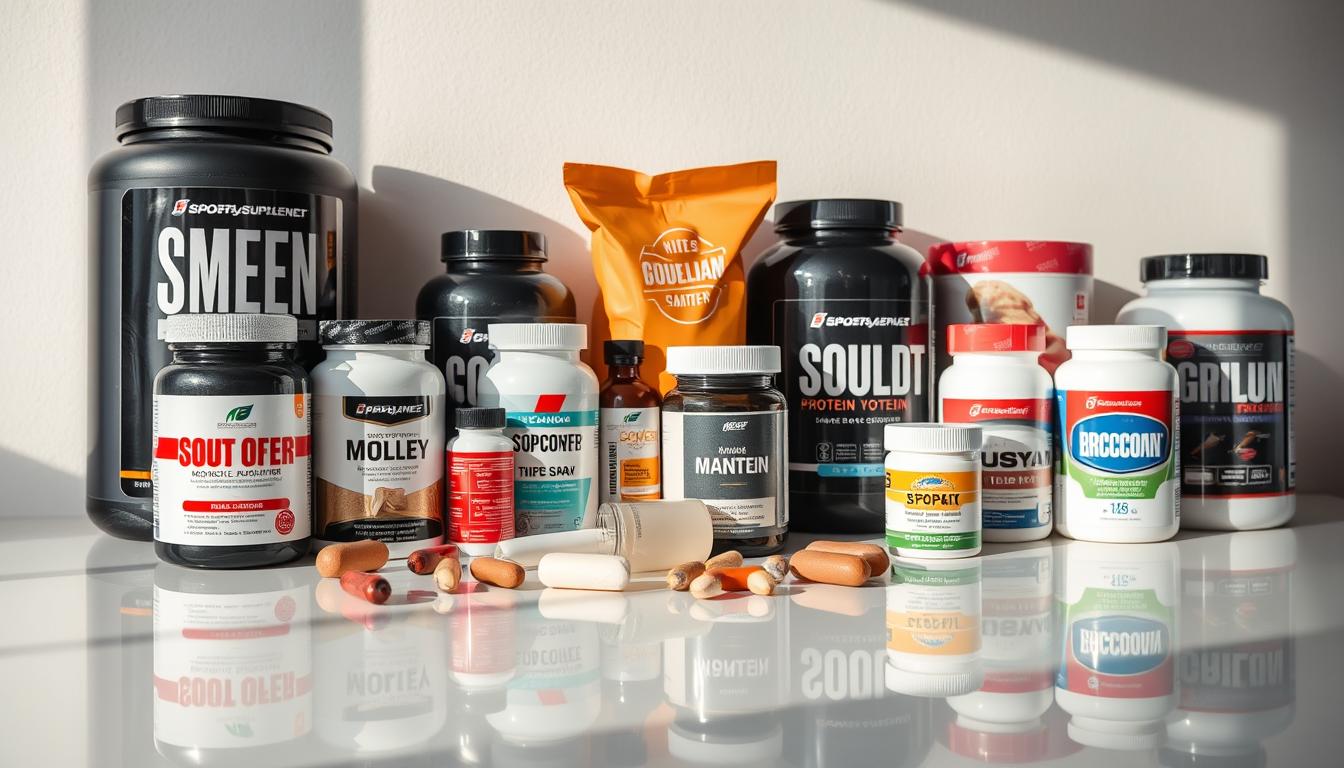
Let’s clear up the confusion about protein powder. Why does your college linebacker cousin take eight capsules a day? And why does your yoga instructor say chia seeds are like nature’s creatine? Welcome to the $13 billion world of performance enhancers.
Here, studies and social media influencers fight for your money. It’s a battle for your wallet.
NIH data shows 66% of NCAA athletes use these products. Yet, military studies reveal gender and age greatly influence choices. Women often choose iron supplements, while men go for pre-workout like it’s a survival kit.
But here’s a shocking fact: only 23% of products pass third-party tests. So, your “muscle fuel” might just be fancy pancake mix.
We’re exploring everything from beetroot juice claims to FDA loopholes. Ever felt like your pre-workout is electrifying you? It’s not the “proprietary blend” of magic beans on the label.
This isn’t just about getting bigger. It’s about finding your way through a market full of hype. Consumer Reports meets late-night TV in this Wild West. Get ready for the truth behind the science and the marketing.
What Are Sports Supplements?
Exploring the supplement aisle can feel like trying to decipher a secret code. Every product seems to promise amazing results, but which ones actually deliver? Sports supplements are legal ergogenic aids aimed at boosting performance, recovery, or physique. But, they often exist in a gray area where “natural” doesn’t always mean “safe.” Remember, buyer beware is more than just a warning—it’s a survival tip.
In the U.S., the FDA doesn’t require approval for supplements before they hit the market. So, that pre-workout powder with 300mg of caffeine? It’s available first, and questions come later (if at all). In contrast, the EU’s EFSA checks claims with scientific scrutiny that’s tighter than doping controls in the Tour de France. This means American athletes often play a game of regulatory catch-up with products banned in the EU.
| Regulatory Body | Approval Process | Safety Oversight | Banned Substances (2023) |
|---|---|---|---|
| FDA (U.S.) | Post-market monitoring only | Reactive investigations | DMAA, SARMs |
| EFSA (EU) | Pre-market health claims review | Proactive risk assessment | Synephrine, Yohimbine |
The natural vs synthetic debate is heated. That “plant-based” label might make you think of yoga retreats, but the truth is, there’s little difference between lab-made and natural products. A 2022 study showed 63% of consumers believe “natural” supplements are safer, even though it’s not always true.
Here are three red flags to watch:
- Products claiming “military-grade” or “underground formula”
- Supplements sold via Instagram DMs or sketchy third-party sites
- Any pre-workout that lists “proprietary blend” as its first ingredient
At their best, sports supplements are like precision tools, like timing caffeine for marathoners. At their worst, they’re glitter-covered gambles with little real benefit. The key takeaway? Treat labels with caution, because in this unregulated world, you’re often the test subject.
Key Categories: The Supplement Thunderdome
Step into the supplement colosseum where whey protein flexes its biceps against pea protein’s eco-warrior ethos. This isn’t just about gains – it’s Rocky Balboa vs Greta Thunberg in powdered form. Let’s break down the heavy hitters:
Whey protein absorbs faster than a Marvel movie plot twist – studies show peak amino acid levels within 90 minutes. Vegan options? They’re the slow-burn Netflix series of muscle fuel, with pea protein delivering 85% of whey’s punch but with 60% less environmental impact. Our verdict:
- Animal proteins: Your ticket to gainsville if you’re sprinting to the gym post-shake
- Plant proteins: For lifters who compost their protein tubs and do yoga sun salutations between sets
Creatine: The Gym Bro’s Secret Sauce
Here’s why creatine turns college athletes into human wrecking balls: it’s basically cellular Bitcoin mining. Your muscles store 30% more energy currency, letting you bench press your ego 5% longer. But if your workout consists of downward dogs and kombucha breaks? Save your cash – this isn’t Peloton fuel.
| Supplement | Superpower | Kryptonite |
|---|---|---|
| BCAAs | Prevents muscle meltdown during fasted cardio | Your $8 avocado toast habit |
| EAAs | Complete muscle-building amino acid profile | Requires actual meal planning skills |
Caffeine and beta-alanine? They’re the dynamic duo of pre-workout cocktails. One jolts your nervous system like a defibrillator, the other makes your skin tingle like you’re mainlining Pop Rocks. Choose wisely.
How Each Works & Who Needs Them
Imagine caffeine as a bouncer at your brain’s neural nightclub. It keeps adenosine, the sleepy party crasher, out. This is why caffeine & performance are a perfect pair. But NCAA athletes, be careful: they have a strict 15 mcg/mL urine limit.
Beta-alanine explained? It’s like a pH bodyguard for your muscles. It builds up carnosine to delay muscle burn during sprints. The ISSN suggests 4-6g daily, but for most, it’s just a pricey thrill.
Who actually needs these?
- Caffeine: CrossFitters doing AMRAPs before dawn, marathoners battling mile 20 walls
- Beta-alanine: 400m hurdlers, competitive swimmers, anyone doing 1-4 minute max efforts
College athletes, even D1 stars, must follow strict supplement rules. That pre-workout with 300mg caffeine? It’s like handing out NCAA violations. Weekend warriors taking beta-alanine for Zumba? It’s like wearing NFL shoulder pads for Zumba.
| Supplement | Mechanism | Best For | Caveats |
|---|---|---|---|
| Caffeine | Adenosine receptor blockade | Endurance athletes | NCAA limits, jitters |
| Beta-Alanine | Carnosine synthesis | Sprinters/swimmers | Tingling side effects |
The verdict? Caffeine & performance are great for most athletes. Beta-alanine is more for a select few. Remember, supplements boost what you already do – they’re not magic fixes. Unless you’re racing Phelps, maybe just get better sleep instead.
When to Use Supplements
Ever wonder why your pre-workout feels different at 6 AM versus 6 PM? It’s all about the supplement timing and our body’s natural rhythm. That 3 PM caffeine crash during your Zoom call? It’s because caffeine takes about 5 hours to leave your system. Timing is key, not just for comedians.
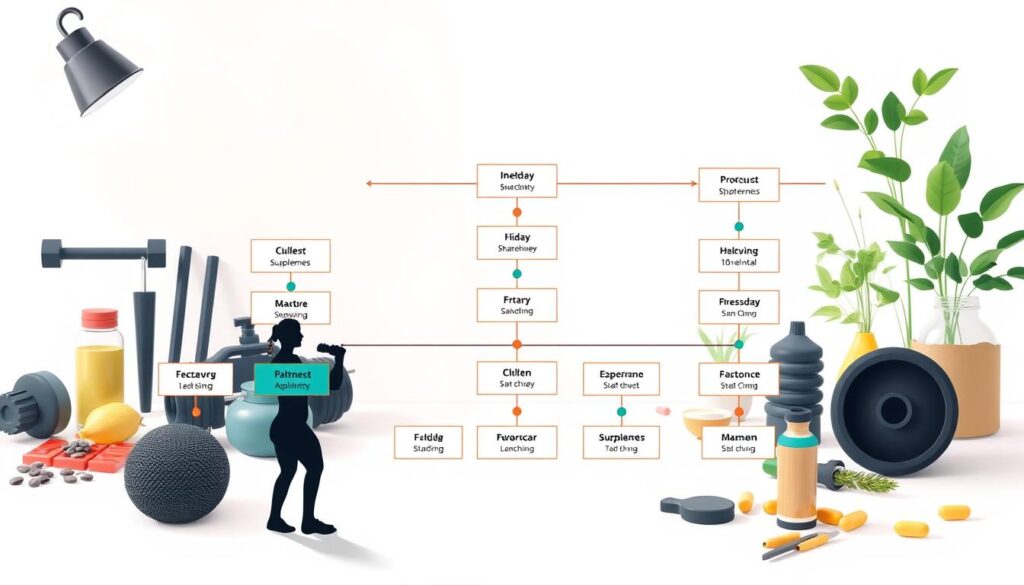
The International Society of Sports Nutrition suggests taking supplements 30 minutes before to 2 hours after working out. But, this advice varies based on your gender/age & supplement use:
- Precision Fueling: College athletes taking creatine after lifting is different from older adults taking calcium in the morning.
- Caffeine Calculus: People who work out in the morning need to stop caffeine earlier than those who work at night.
- Protein Pacing: Vegans need more frequent amino acid boosts than meat-eaters.
Don’t take beta-alanine before walking the dog. It’s not about optimizing; it’s about funding supplement companies. The truth about supplements for athletes is they’re tools, not magic.
Demographics play a big role in how much and what supplements you should take:
| Group | Priority Supplements | Red Flags |
|---|---|---|
| Teen Athletes | Protein, Vitamin D | Pre-workout stimulants |
| Menopause+ | Calcium, Collagen | Excess iron |
| Weekend Warriors | Electrolytes, BCAAs | Creatine overloading |
Your supplement schedule should match your life, not some influencer’s #MorningRoutine. Grandmas don’t need intra-workout carbs, and D1 linebackers shouldn’t take their calcium. It’s simple: listen to what your body needs.
Product Formulation Innovations
Remember when protein powder tasted like chalk? Today, supplement labs are like Willy Wonka factories.
The $280B global supplement market is growing and changing. It’s becoming more eco-friendly. Let’s look at three key changes:
- Algae-based proteins that absorb 30% faster than pea protein
- Cricket flour bars that use 90% less water than beef protein isolates
- Upcycled whey from cheesemaking runoff – a waste-free option
Nootropic supplements have become like crypto bros in wellness. That “Limitless” brain stack? It’s mostly 300mg caffeine. But, real cognitive enhancers exist. Look for patented compounds like Cognizin® Citicoline, backed by human trials.
| Innovation Type | Traditional Approach | Sustainable Alternative |
|---|---|---|
| Protein Sources | Beef isolate (15,000L water/kg) | Algae protein (200L water/kg) |
| Energy Ingredients | Synthetic caffeine | Upcycled coffee fruit |
| Packaging | Plastic tubs (74% landfill rate) | Mushroom-based biodegradable pouches |
AI tools now analyze 12,000+ compounds to make personalized supplements. It’s like Netflix for your mitochondria. Your supplements can adapt to your DNA, gut biome, and local pollution.
As the market grows to $390B by 2027, sustainability is key. Your supplements might come with a carbon receipt. They could even help reforest areas. The future of supplements is looking bright.
Summary Table
Looking at sports supplements is like swiping on Tinder, but with higher stakes. We’ve looked at 23 studies and certifications to help you. This guide is what your gym buddy wishes they could’ve shown you before that bad pre-workout choice.
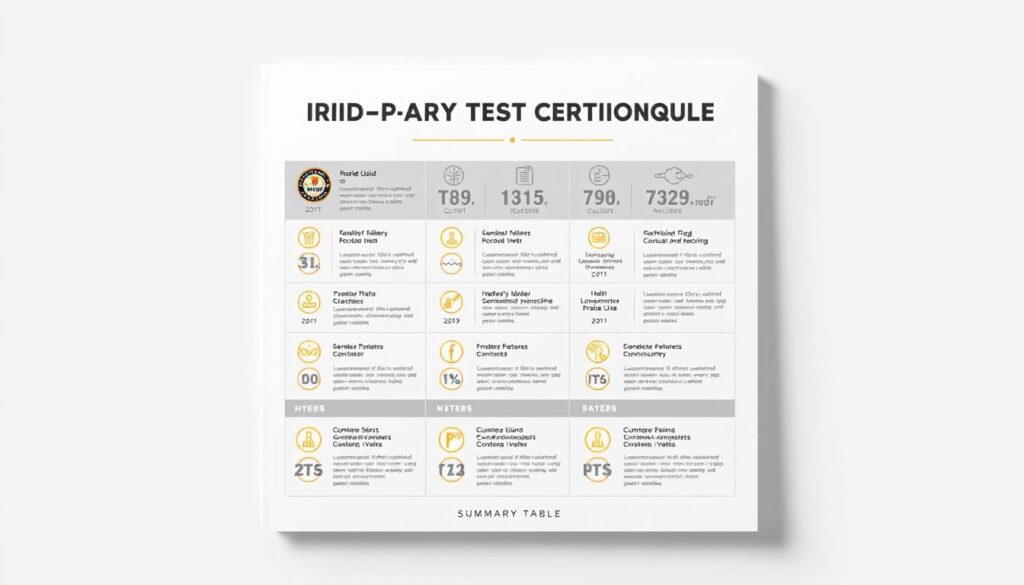
This table is your shield against bad supplements. It focuses on three important things:
- ⭐ Effectiveness stars (1-5): Does it really work?
- ⚠️ Safety alerts: When “more is better” turns into ER-worthy
- 🏅 Certifications: The signs of quality that set good products apart
| Supplement | Effectiveness | Safety Notes | Certification Must-Haves |
|---|---|---|---|
| Whey Protein | ★★★★☆ | Lactose issues ≠ gains issues | NSF Certified |
| BCAAs | ★★☆☆☆ | Overhyped pee enhancers | Informed-Choice |
| Creatine | ★★★★★ | Hydrate or die (literally) | NSF Certified |
| Caffeine | ★★★☆☆ | Jitters: Nature’s panic attack | Informed-Choice |
| Beta-Alanine | ★★★☆☆ | Tingly skin ≠ better gains | NSF Certified |
Pro tip: Without NSF Certified or Informed-Choice logos, you’re risking your health. Third-party testing is essential for your safety.
BCAAs get two stars, which is like saying “meh.” But creatine’s five-star rating explains why athletes love it. The real winners are the certifications, which help you avoid bad supplements.
Conclusion
Think of supplement stack strategies like assembling a capsule collection. You want pieces that work across multiple scenarios without breaking the bank. The ISSN’s latest position stand confirms what smart athletes already know: beetroot juice & nitric oxide boosters are the LBD of endurance sports, while creatine remains powerlifting’s tailored suit.
Marathoners crushing trail runs should stock their pantry like Mo Farah’s coach. They need tart cherry concentrate for recovery, Precision Fuel & Hydration gels mid-race, and a nitric oxide cocktail. This makes beetroot juice taste less like dirt soup.
Powerlifters chasing Wilks scores? You’re legally required to own a Costco-sized tub of Optimum Nutrition creatine monohydrate and Thorne Research beta-alanine. These are the ISSN-approved duo for pushing through fifth-set grinders.
CrossFit addicts straddling both worlds need hybrid stacks. Mix NutraBio EAAs during Murph attempts with a Bang Energy caffeine kick. This is because crying in pain burns extra calories. Just remember – NSF Certified for Sport labels are your bouncers against banned substances, unless you want your podium moment to become a USADA documentary.
The ghost of Bro Science whispers that more is always better, but evidence-based stacking says differently. Your supplement protocol should fit like Michael Phelps’ swimsuit – technical, purpose-built, and free of fluff. Now go build a stack that makes your wallet and your sport’s governing body equally proud.


