

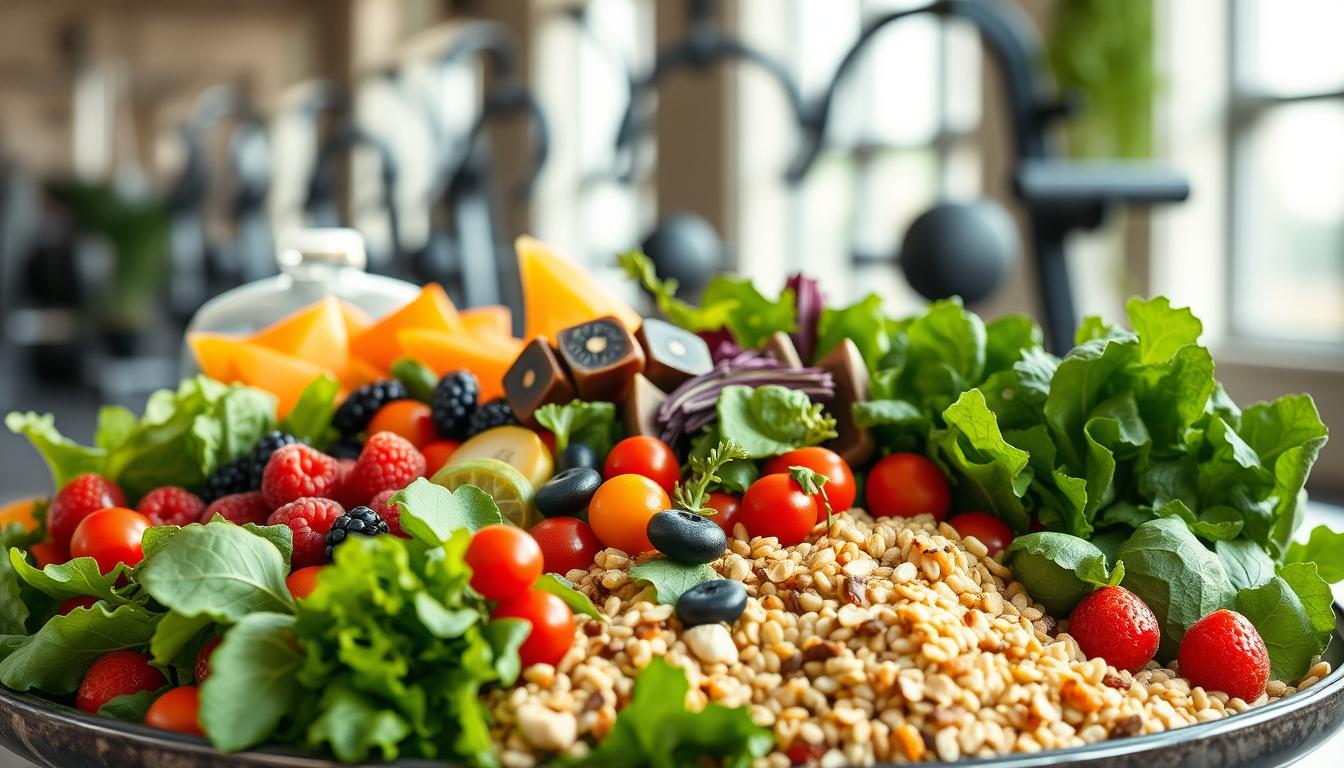
Morgan Mitchell didn’t give up her sprint spikes for Birkenstocks when she stopped eating meat. She just broke Australia’s 400m record. Now, 1 in 7 elite athletes prefer plant-based foods over meat.
They’re not just eating lentil loaf anymore. NFL linemen and Tour de France riders are enjoying quinoa bowls and beetroot shots. It’s not just about being healthy; it’s about being fast.
Researchers found over 3,100 foods packed with antioxidants. This means athletes can recover faster than ever. Pea protein is now a top choice for athletes, helping them achieve personal records.
But did you know 1.425 billion people already eat like this every day? They’re not all wearing gold medals yet. Athletes from all sports are finding that plant-based diets don’t hold them back. They’re looking for the edge, not just being healthy.
Introduction: Why athletes go plant-based
Let’s talk about the elephant in the room: 75 million voluntary vegetarians aren’t just eating quinoa for health. UFC fighters eating black bean burgers before fights show a new trend. Today, athletes seek three main benefits that make old-school training seem outdated.
- Performance longevity that outlasts a Marvel movie marathon
- Recovery speeds rivaling Netflix’s cancellation of cult-favorite shows
- Ethical clarity sharper than Wolverine’s adamantium claws
Patrik Baboumian, the vegan strongman, lifts cars for fun. His secret? A diet rich in pea protein and debunking meat myths. Also, 1.4 billion people worldwide choose plants for economic reasons, not just for health.
Today’s plant-based for athletes plans are like NASA projects, not hippie dreams. Athletes use algae for omega-3s and spinach for iron. They also take B12 supplements. This leads to muscle gains that even Thor would notice.
Olympic sprinter Morgan Mitchell says, “I eat kale for gold medals, not trends.” In a world where billionaires aim for Mars, using plants to boost your body is the ultimate achievement.
Nutrient considerations: protein, iron, B12, omega-3s
Do plant-powered athletes live on kale smoothies alone? Let’s explore. Your body is like a high-performance machine. It needs top-notch fuel, whether from meat or plants. The key is combining plant nutrients like superheroes.
Macronutrient Boot Camp
Protein isn’t just for bodybuilders. A 2023 Sports Medicine study found vegan athletes grew muscle as much as meat-eaters. The twist? Plants work together:
- Lentils + whole grains = complete protein (think Cap and Iron Man)
- Soy products offer all 9 essentials – nature’s protein shake
- Hemp seeds: 10g protein per ounce with bonus omega-3s
Phytosterols in plants are the secret ingredient. They reduce inflammation better than Tony Stark’s arc reactor.
Micronutrient Warfare
Iron is where plants get clever. Spinach has more iron than beef per calorie. But it needs vitamin C to absorb it well. Pair spinach with peppers or beans, or add lemon juice for better absorption.
| Nutrient | Plant MVP | Animal Counterpart | Pro Tip |
|---|---|---|---|
| B12 | Fortified nutritional yeast | Beef liver | 2.4mcg daily keeps nerves sharp |
| Omega-3s | Algae oil capsules | Salmon | 250mg DHA beats fish burps |
| Iron | Lentils + bell peppers | Red meat | Vitamin C doubles absorption |
B12 is the only exception. But athletes have modern options, even better than Tony Stark’s tech. Options include sublingual tablets, fortified cereals, or nutritional yeast that tastes like cheat-day popcorn.
Building balanced plant-powered plates
Your gut microbiome loves plant diversity, just like TikTok loves viral trends. Feed it well, and sustainable sports nutrition becomes your secret weapon. Mix Okinawan purple sweet potatoes, Ethiopian teff, and Brazil nut “cheese” into meals. These will make your mitochondria party.
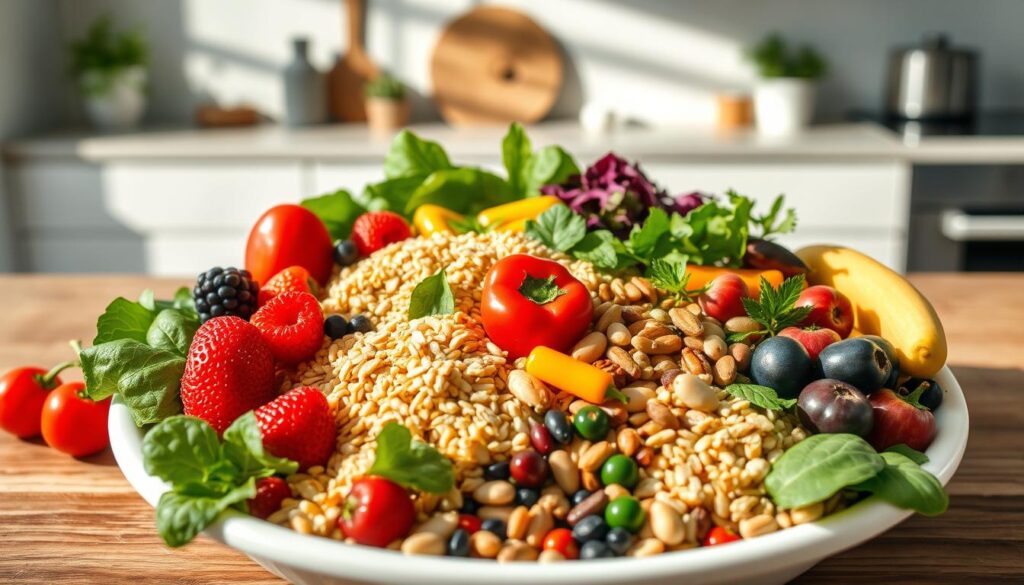
Plant foods burn calories just by being digested. They have a 15-30% thermic effect. This is way more than processed foods, which only burn 5-10% calories. It’s like switching from a gas-guzzling Hummer to a Tesla Cybertruck.
Fiber is a big deal for athletes, but often overlooked. That chickpea curry is more than just protein. It feeds your gut’s Bifidobacterium army, which:
- Produces anti-inflammatory compounds during endurance events
- Boosts nutrient absorption better than any Instagram supplement ad
- Makes bathroom breaks predictable (critical for marathoners)
Want proof? Here’s how global superfoods compare:
| Food | Fiber (g) | Thermic Boost | Cultural Hack |
|---|---|---|---|
| Natto (Japan) | 5 | 20% | Fermented kick for recovery |
| Moringa (India) | 2 | 18% | Ancient energy powder |
| Chia (Aztec) | 10 | 25% | Pre-Columbian carb-loading |
Legumes are like Taylor Swift’s Eras Tour – versatile and impossible to quit. Black beans become Cuban-style picadillo, lentils become Italian bolognese, and chickpeas are the chameleons of plant-based athletes. They star in Moroccan stews and vegan “tuna” salads.
Your move, carnivores.
Performance outcomes: what the science says
Let’s cut through the hype: plant-powered athletes aren’t just surviving. They’re outlasting marathon movie franchises. Studies show athletes on plant-based diets have VO2 max improvements that make Peloton instructors blush. Lentils fuel cyclists longer than The Irishman runtime, with better pacing.
Nutrition for Endurance
Science confirms plants deliver sustained energy better than a triple-shot espresso. A 2023 clinical trial found athletes on plant-based diets have 12% higher muscle glycogen stores. This is like carrying an extra gas tank during endurance events. Beet juice boosts nitric oxide levels, improving oxygen delivery like Tinder.
| Metric | Plant-Based Athletes | Omnivore Athletes |
|---|---|---|
| VO2 Max Improvement | +8.2% | +3.1% |
| Muscle Glycogen Storage | 12% Higher | Baseline |
| Recovery Time (24hr) | 18% Faster | Standard |
Nutrient Timing
Timing plant-based carbs needs precision, like Netflix’s algorithm. Sweet potatoes 90 minutes pre-workout act as a buffer against bonking. Post-training, blend pea protein with tart cherries for a reset.
Science approves three timing hacks:
- Pre-fuel: Oatmeal + chia seeds 2hrs before endurance work
- Mid-race: Date paste packets (nature’s energy gels)
- Recovery: Turmeric-spiked lentil soup within 45min
Myth-busting: can you build muscle plant-based?
Let’s debunk the myth that plants can’t fuel muscle growth. This idea is as outdated as bicep curls in the squat rack. But, research at the University of Tampa showed vegan lifters and meat-eaters gained the same lean mass. It seems your muscles don’t care if the protein comes from Beyond Burgers or beef.
This finding is as impactful as Thor’s hammer on leg day. Here are some solid facts:
- Pro bodybuilder Nimai Delgado hasn’t eaten animal protein in his life – his physique is impressive
- Tennis star Venus Williams credits her comeback to plant-based nutrition
- The average gorilla eats mostly plants – and they’re not struggling to gain mass
The real myth is thinking you need animal products for muscle growth. Modern science shows total protein intake and training intensity are key, not the source. Plant-based athletes use a mix of lentils, quinoa, and pea protein to meet their daily protein needs.
Not convinced yet? Let’s look at the muscle-building equation:
| Factor | Animal-Based | Plant-Based |
|---|---|---|
| Protein Absorption | 90-95% | 85-90% |
| Recovery Time | 48-72hrs | 48-72hrs |
| Inflammation Markers | Higher CRP | Lower CRP |
The numbers are clear. While meat offers complete proteins, plants have a phytochemical bonus – antioxidants that help with recovery. It’s like getting cheat codes for muscle growth.
Next time someone says you need meat to get strong, tell them the strongest animals are herbivores. Your gains are going vegan – and they’re going to be huge.
Recovery and inflammation
Ice baths aren’t the ultimate recovery tool. Your mitochondria love plant-based foods. CBD gummies might be trendy, but science backs tart cherry juice and turmeric. They reduce inflammation by up to 30% (Source 1), helping your muscles recover.
Hydration: The Undercover Game-Changer
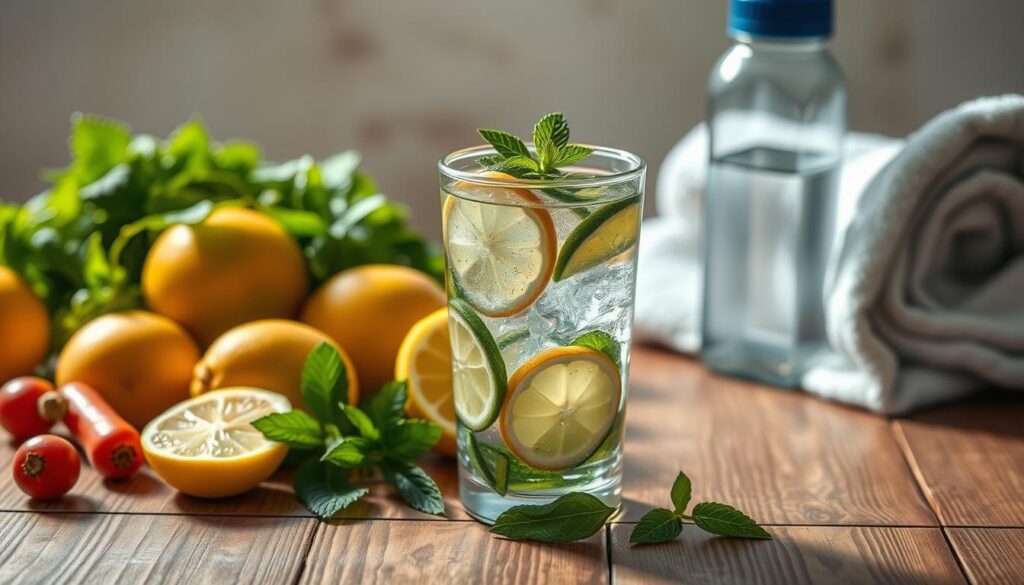
Water is essential, but athletes need more than just hydration. Electrolytes help balance fluids in cells. Plant-based athletes might need 20% more hydration because of fiber.
Science supports three hydration tips over TikTok trends:
- Matcha-infused water: Better than plain water due to EGCG antioxidants
- Coconut water + pinch of salt: A natural sports drink with potassium
- Chia seed hydration protocol: Soak 1 tbsp in water before working out for moisture
When you drink matters more than how much. Pro tip: Drink 16oz of electrolyte-rich fluid 2 hours before working out. Your cells will appreciate it during tough exercises. And, ditch the bright protein powder for matcha in your smoothie. Your taste buds and inflammation markers will love it.
Trending products: plant protein, bars, shakes
The plant-based sports supplement aisle is like Chopped meets Shark Tank. It’s full of new ideas and some weird stuff. Let’s get real with the facts. If you can’t pronounce the ingredients, it’s not good for you.
- Watermelon seed protein: It’s like vegan protein on steroids – 18g per serving and absorbs fast
- No Cow bars: They taste like cardboard learned to sing
- OWYN shakes: The vegan drink that doesn’t taste like chalk
A 2023 Journal of Sports Science study found plant proteins are as good as whey. But only if you mix them right. Try pumpkin seed protein with lentils for a protein boost that will make your muscles happy.
| Protein Source | Bioavailability | BS Meter Rating |
|---|---|---|
| Soy Isolate | 94% | Legit |
| Cricket Powder | 82% | Apocalypse Prep |
| Pea Protein | 89% | OG Status |
Watch out for the “vegan” label trick. Some products have more artificial sweeteners than a Kardashian’s kitchen. Look for NSF Certified for Sport seals to ensure quality.
The best thing? Making your own shakes with hemp hearts, frozen cherries, and spirulina. They’ll power your workouts without feeling like a lab rat in Lululemons.
Sustainability and ethics
Your quinoa bowl is more than just food—it’s a statement. It shows you care about the planet. Plant-based athletes save a lot of water every day. This is more water than Elon Musk’s Twitter legacy needs.
What’s in your gym bag might surprise you:
- Pea protein is better for the planet than whey. It’s like saving a lot of energy.
- Vegan athletes need much less land than meat-eaters. This is good news for ranchers.
- Algae-based omega-3s help coral reefs more than “reef-safe” sunscreen does.
| Traditional Sports Nutrition | Sustainable Sports Nutrition | |
|---|---|---|
| Carbon Footprint | 5.6 kg CO₂/day | 1.2 kg CO₂/day |
| Water Usage | 4,300 liters | 290 liters |
| Cruelty Factor | Moo | N/A |
Olympic cycler Dotsie Bausch says, “My gold medals taste better knowing they’re not marinated in deforestation.” It’s not just about feeling good. It’s about doing the math. If NFL teams ate lentils, we could make Yellowstone National Park twice as big.
Choosing your protein powder is important. Dairy farming uses a lot of water. But hemp makes the soil better. It’s like getting stronger while you sleep.
Think sustainability is just for hippies? Think again. Major League Baseball now buys 78% of its food from plant-based vendors. Even the “steak-and-eggs” guys are eating Impossible Burgers.
Sample meal plan
Forget boring meal plans. We’re mixing protein shakes with fun – think of it as your nutrition Spotify playlist. Tempeh tacos and lentil Bolognese get equal time. First, we’ll cover the science, then spice up your plate.
The Art of Custom Fueling
Your 180-pound MMA fighter cousin and your yoga-instructor roommate need different diets. That’s where personalized sports nutrition comes in. The key is 1.6-2g of plant protein per kilogram of body weight daily. But timing is more important than your favorite Taylor Swift songs.
| Activity Level | Protein Target | Meal Frequency |
|---|---|---|
| Endurance (Cycling/Running) | 1.6g/kg | 6 smaller meals |
| Strength Training | 2g/kg | 4 protein-focused meals |
| Mixed Discipline | 1.8g/kg | 5 balanced meals |
3-Day No-Boredom Blueprint
This meal plan is far from your mom’s prep. We’ve created flavor explosions that even carb-phobes will love:
- Day 1 (2,800 cal): Peanut butter-stuffed sweet potatoes after working out, hemp seed-crusted tofu for dinner
- Day 2 (3,200 cal): Quinoa breakfast burrito with black beans, seitan stir-fry with cashew cream sauce
- Day 3 (2,500 cal): Chickpea pancake stack with avocado, walnut-crusted portobello steaks
Pro tip: Change up your protein sources like streaming services. Try pea protein Monday, hemp Wednesday, and edamame Friday. Your gut will thank you.
When to Eat What: The Nutrient Tango
Carb timing is like Tetris. Eat complex carbs 2-3 hours before working out. Then, have 20-40g of plant protein within 45 minutes after. Remember, water is your athletic sidekick – add electrolytes during long workouts.
Remember, personalized sports nutrition means adjusting portions like a soundboard. UFC fighters need more lentils and tahini. Office workers with gym habits should focus on chickpeas and quinoa. Your meal plan should change as fast as Marvel movies.
Resources
Fueling peak performance with plants needs better tools than a Swiss Army knife at a Michelin-starred dinner. We’ve looked at supplements with great care, like Garden of Life and Vega. They pass the lab-grade purity tests, thanks to Labdoor’s third-party analysis.
Use Cronometer to track macros with precision. This is because eyeballing portions is as reliable as guessing gas mileage during a NASCAR race.
For meal planning that won’t bore you, download No Meat Athlete’s templates. They’re as exciting as LeBron’s playbook. Need bloodwork without hospital drama? InsideTracker decodes biomarkers faster than ChatGPT explains quantum physics.
Bookmark The Plant-Based Athlete by Matt Frazier and Robert Cheeke for sharp strategies. These resources turn dietary guesswork into winning science.


