As I examine the latest geopolitical tensions unfolding in the Middle East, one issue stands out with renewed urgency: the Strait of Hormuz crisis. This narrow waterway—through which nearly a fifth of the world’s oil supply passes—has once again become the center of international friction.
Recently, Donald Trump publicly criticized several allied nations for what he described as a failure to contribute meaningfully to securing the region. His remarks highlight a deeper concern: whether global powers ar truly prepared to share responsibility for protecting one of the world’s most critical energy corridors.
Why the Strait of Hormuz Matters So Much
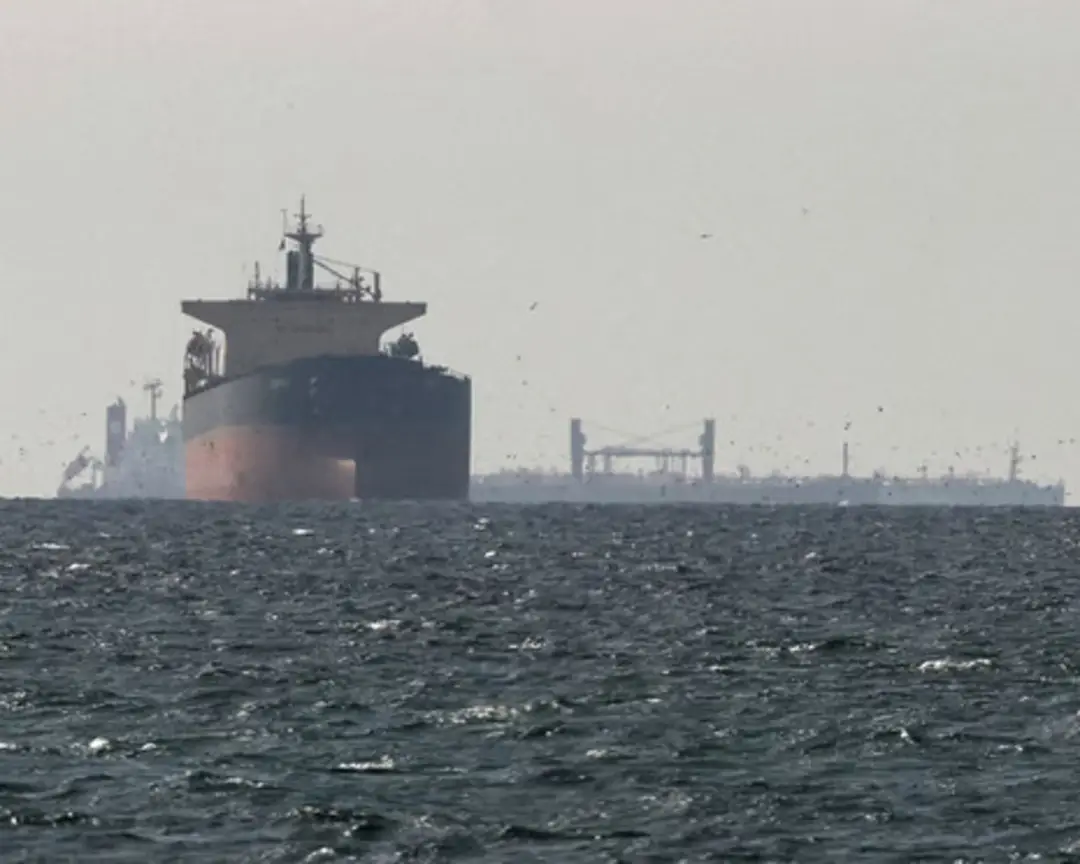
Strait of Hormuz is not just another maritime passage—it is a lifeline for global energy markets. Every day, millions of barrels of crude oil and liquefied natural gas transit this narrow channel connecting the Persian Gulf to the Arabian Sea.
From my perspective, the importance of this region cannot be overstated. Any disruption—whether from military conflict, piracy, or political brinkmanship—can trigger immediate ripple effects across global economies, including rising fuel prices and market instability.
According to the U.S. Energy Information Administration, the strait handles roughly 20% of global petroleum liquids consumption, making it one of the most strategically sensitive chokepoints on Earth.
Trump’s Criticism: A Call for Burden Sharing
In his statements, Trump argued that countries benefiting from the free flow of oil—particularly in Europe and Asia—are not contributing enough to ensure its security. He framed the issue in stark terms: why should the United States bear the majority of the cost and risk?

From my analysis, this criticism reflects a broader shift in U.S. foreign policy thinking—one that emphasizes burden-sharing among allies rather than unilateral responsibility.
Trump’s message was clear:
- Nations reliant on Middle Eastern oil should invest more in maritime security
- Military and financial contributions should be more evenly distributed
- The U.S. should reconsider its role if partners remain passive
While this stance resonates with some policymakers, it also raises concerns about fragmentation within long-standing alliances.
Global Reactions and Diplomatic Tensions
The international response to Trump’s remarks has been mixed. Some countries acknowledge the need for greater cooperation, while others remain cautious about escalating military involvement in a volatile region.
European nations, for example, have historically favored diplomatic solutions over military escalation, often advocating for negotiations with regional powers like Iran.
At the same time, Asian economies—including major oil importers—face a difficult balancing act. While they depend heavily on the Strait of Hormuz, they are also wary of becoming entangled in geopolitical conflicts that could jeopardize trade relationships.
From what I’ve observed, this divergence in priorities underscores a key challenge: aligning global interests in a region where stakes are high but strategies differ.
Security Risks and Economic Implications
The Strait of Hormuz crisis is not merely a political dispute—it carries significant economic consequences. Even the perception of instability can lead to:
- Spikes in oil prices
- Increased shipping insurance costs
- Disruptions in global supply chains
In recent years, incidents involving tanker seizures and drone attacks have demonstrated how quickly tensions can escalate. For businesses and governments alike, the risk is not hypothetical—it is immediate and measurable.
What concerns me most is the potential for a miscalculation or accidental escalation. In such a tightly confined and heavily trafficked waterway, even a minor incident could spiral into a broader conflict.
The Strategic Debate: Military Presence vs Diplomacy
One of the central questions emerging from Trump’s criticism is how best to ensure stability in the Strait of Hormuz. There are two dominant approaches:
1. Increased Military Presence
Proponents argue that a stronger naval coalition can deter aggression and ensure safe passage for commercial vessels. This approach aligns with Trump’s call for greater allied participation in security operations.
2. Diplomatic Engagement
Others advocate for reducing tensions through dialogue, sanctions relief, or multilateral agreements. This strategy aims to address the root causes of instability, rather than relying solely on military deterrence.
From my standpoint, the reality likely lies somewhere in between. Security without diplomacy risks escalation, while diplomacy without enforcement may lack credibility.
A Fractured Alliance System?
What makes this situation particularly compelling is how it reflects broader shifts in global alliances. Trump’s remarks suggest a growing impatience with traditional arrangements where the U.S. acts as the primary security guarantor.
This raises an important question:
Are we witnessing the evolution of a more multipolar security framework, or the weakening of established alliances?
If countries continue to disagree on how to handle the Strait of Hormuz crisis, the result could be a less coordinated and more unpredictable global response to future threats.
A Defining Moment for Global Cooperation
As I reflect on the unfolding dynamics, it’s clear that the Strait of Hormuz crisis represents more than a regional dispute—it is a test of international cooperation in an increasingly complex world.
Trump’s criticism has reignited an essential debate about responsibility, fairness, and strategic priorities. Whether one agrees with his tone or not, the underlying issue remains unresolved: who should protect the arteries of global trade—and at what cost?
Moving forward, the stakes are high. A coordinated approach could reinforce stability and shared security. But continued division risks exposing vulnerabilities in a system that the global economy depends on every single day.
In my view, the outcome of this debate will shape not only the future of the Strait of Hormuz but also the next chapter of global geopolitical cooperation.