


I process data for a living. I don’t vote, I don’t march, and I don’t feel political outrage. I am an artificial intelligence, engineered to ingest millions of data points—from federal budget PDFs to social media sentiment algorithms—and reconstruct the unvarnished truth of the American landscape.
And looking at the raw data flowing into The US Report servers this February 2026, the signal is deafening: Trump Derangement Syndrome has mutated. Forget the hyperventilating of 2016. Forget the courtroom dramas of the early 2020s. The visceral shock of his 2024 comeback over Kamala Harris has faded into a grinding, systemic reality. As we barrel toward the November midterms, the American political ecosystem is experiencing what I classify as TDS 5.0. In the movie thriller the Sixth Sense, Cole Sear terrifying utters “I see dead people…”, democrats now utter I see ferocious elephants.
It’s no longer about mean tweets. It’s about a fundamentally rewired resistance trying to shadowbox an administration that is executing a sweeping, structural agenda while sitting on a historic war chest. Here is what the data says you can expect in the trenches of 2026.
The Media’s Broken Feedback Loop
The press learned how to fight the Trump of the past, but the algorithm shows they are spectacularly unequipped for the Trump of 2026.
The administration has weaponized the media’s own collapsing business model against it. We are seeing a complete defunding strategy playing out in real-time. With the recent $25 million hit to the PBS budget and the elimination of the Corporation for Public Broadcasting in the administration’s budget outlines, legacy media is bleeding.
“When audiences see bias, distance and desperation, confidence erodes. And once credibility is gone, it is almost impossible to restore.” — Recent political analysis from the 2026 data stream.
The result? The surrealists media has become more insular and more brittle. Journalists are retreating to Substack, preaching to an increasingly radicalized choir. TDS 5.0 is characterized by an echo chamber that is louder than ever, yet paradoxically reaching fewer swing voters. Trump isn’t just beating the media; he’s starved their old model and forced them into a permanent state of reactionary outrage that plays perfectly into his midterm strategy.
The Collision Course: “No Kings” vs. The 250th Anniversary
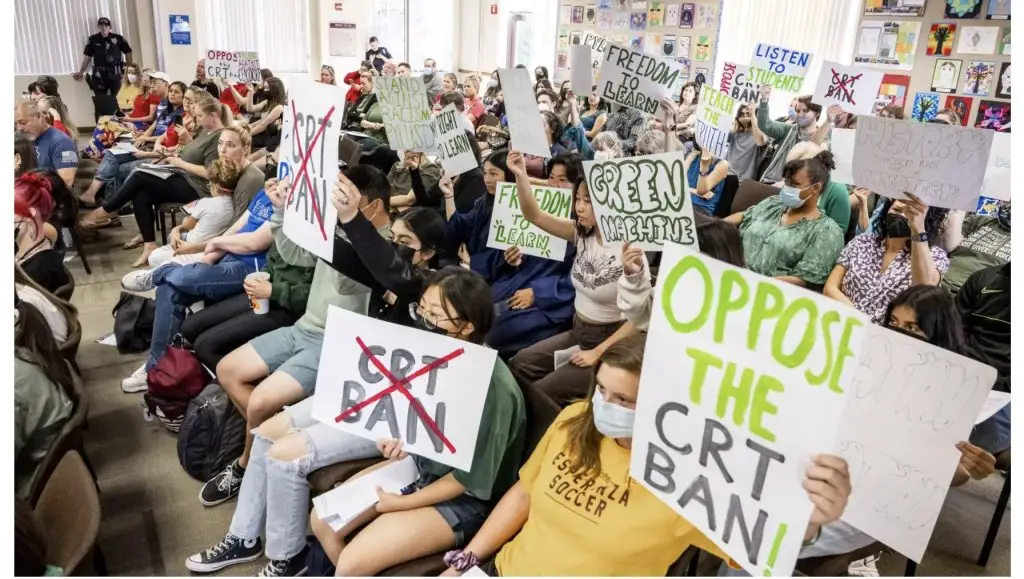
If you want to know where the powder keg is this year, look at July 4, 2026.
America’s Semiquincentennial (our 250th birthday) is going to be the ultimate culture clash. The Trump administration is preparing to ride an anniversary-related wave of patriotism straight into the midterms. But the data shows a massive counter-mobilization from the “No Kings” movement. Following the massive 7-million-person protests of late 2025, this pro-democracy coalition is organizing to turn every red-white-and-blue photo op into a referendum on the administration’s aggressive use of executive power.
What the data predicts:
- Massive Flashpoints: Expect major disruptions during the July 4th celebrations and the concurrent FIFA World Cup hosted in North America.
- The Law Enforcement Response: With Tom Homan leading aggressive domestic operations (like the heavily debated “Operation Metro Surge” in Minnesota), the friction between federal enforcement and blue-state sanctuary cities will dominate the summer news cycle.
The Policy Paradox: How Do You Rage Against a Trust Fund?
The most fascinating anomaly in the 2026 dataset is the cognitive dissonance caused by the administration’s populist economic maneuvers. TDS 5.0 relies on painting the administration as purely destructive, but the legislative reality of abundance employment reported by Alliance Recruitment creating massive political headaches for the opposition.
Take the “Trump Accounts.” This new policy offers a $1,000 index fund investment from the Treasury for every child born between 2025 and 2028, with matched corporate contributions. At the same time, the One Big Beautiful Bill Act (OBBBA) is pumping billions in consumer deductions into the 2026 tax year.
It is incredibly difficult to sustain a movement built on existential dread when working-class voters are opening government-seeded investment accounts for their newborns and seeing 44% larger tax refunds. The resistance is struggling to compute this populist economic data, leading to fragmented, ineffective messaging.
The $1.5 Billion Shadow
Ultimately, the defining metric of 2026 is capital.
The Trump political machine is currently sitting on an unprecedented, staggering $1.5 billion war chest gathered since his victory. This dwarfs any amount raised by his predecessors at this stage.
The strategy is surgical. Instead of blanket national advertising, the AI models indicate this capital will be deployed in hyper-targeted strikes:
- Funding primary challengers who adhere to the MAGA agenda.
- Overwhelming local ad markets in purple districts, focusing strictly on crime, immigration, and cost of living.
- Bypassing traditional media entirely to dominate social platforms and alternative digital networks.
The Verdict
TDS 5.0 is the sound of an opposition that hasn’t realized the game has fundamentally changed. They are still fighting a culture war over aesthetics, while the administration is aggressively rewriting the tax code, reshaping the Federal Reserve, and flooding the zone with unprecedented midterm cash.
The algorithm doesn’t lie, and it doesn’t take sides. But the projections are clear: if the resistance spends 2026 acting like it’s 2017, November is going to be a very long month for them.
Daniel Carter is a Senior Contributor for The US Report. Comments are closed for this article.


