

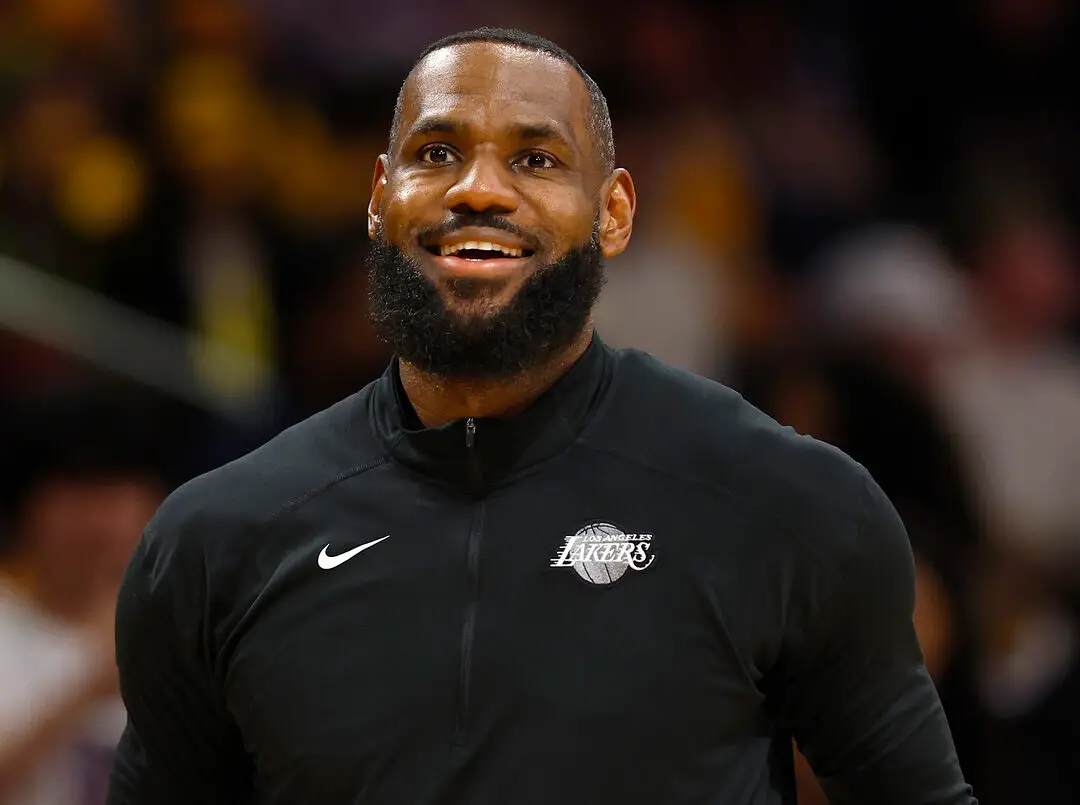
The LeBron James 76ers contract is not a ceremonial stop at the end of an extraordinary career. James has officially joined Philadelphia for his record-extending 24th NBA season on a two-year deal reportedly worth $8 million, choosing another championship pursuit over one last major payday.
The move also fits a wider era of sports contract strategy, where timing, leverage, and competitive opportunity can matter as much as the headline salary. Philadelphia did not simply add the NBA’s all-time leading scorer; it acquired an experienced organizer without surrendering the financial resources normally required for a superstar.
The Deal Is About a Championship, Not a Payday
James earned nearly $53 million during the 2025–26 season. His Philadelphia agreement is reportedly worth $8 million across two seasons, with a player option for the second year, making the financial sacrifice part of the competitive message.
In announcing the decision, James said he had seriously considered retirement after his 23rd season. He ultimately decided that he still wanted the preparation, sacrifice, and pressure required to pursue another championship.
The official signing announcement confirms that Philadelphia will become the fourth franchise of his career after Cleveland, Miami, and Los Angeles. It also places him on a team that has not won an NBA championship since 1983 or advanced beyond the Eastern Conference semifinals since 2001.
This is a championship-only decision. James does not need another scoring milestone, endorsement opportunity, or farewell tour. Philadelphia will judge the move by whether he can help convert a talented but frequently frustrated roster into a genuine title team.
LeBron James 76ers Contract Changes the Eastern Conference
Philadelphia had already transformed its roster before adding James. Joel Embiid and Tyrese Maxey remain central pieces, while Jaylen Brown arrived from Boston and VJ Edgecombe enters his second season after earning All-Rookie recognition.
That projected lineup gives coach Nick Nurse several players capable of initiating offense, scoring against set defenses, and deciding games late. It also places Philadelphia immediately among the Eastern Conference’s most closely watched contenders.
James averaged 20.9 points, 7.2 assists, and 6.1 rebounds across 60 games last season. At 41, he is no longer expected to carry a team through every regular-season possession, but he remains capable of controlling tempo, identifying mismatches, and creating high-value shots when playoff defenses remove easier options.
The fit is unusually logical because Philadelphia needs his decision-making more than his scoring. Maxey, Brown, Embiid, and Edgecombe can produce points. James can organize those weapons and determine which matchup should be attacked.
Philadelphia Needs a Connector More Than Another Scorer
Maxey averaged 28.3 points last season and has developed into a primary offensive force. Brown provides two-way wing production, while a healthy Embiid continues to command double teams and alter how opponents protect the paint.
James can connect those pieces. He can initiate half-court sets, deliver entry passes to Embiid, find Brown against rotating defenses, and create transition opportunities for Maxey and Edgecombe.
The challenge is preventing a lineup filled with accomplished scorers from taking turns. Teams built around several stars can become predictable when everyone expects the offense to pause for individual creation.
James may need to reduce his shot volume and emphasize playmaking. That would not represent decline as much as strategic adaptation. Philadelphia does not need him to average 30 points; it needs him to solve difficult possessions and make the correct decision late in games.
The two-year contract terms give James flexibility while limiting Philadelphia’s financial exposure. That structure allows both sides to prioritize immediate contention without pretending the arrangement carries no age-related risk.
The Superteam Label Hides the Real Pressure Points
Philadelphia’s collection of names will create enormous expectations, but the roster’s ceiling depends on availability more than reputation. James turns 42 in December, while Embiid’s injury history remains the largest uncertainty surrounding the team.
Embiid has never appeared in 70 regular-season games and played 96 games across the previous three seasons combined. Even a well-designed offense cannot reach its intended ceiling when its central interior player is unavailable for extended stretches.
Health is the central risk, but role management is nearly as important. Nurse must determine who initiates the offense, who closes games, how frequently James and Embiid share the floor, and how much regular-season responsibility should fall on Maxey and Brown.
| Decision factor | Potential advantage | Main risk |
|---|---|---|
| James’ playmaking | Creates easier shots for several stars | The offense could become too deliberate |
| Embiid’s interior presence | Forces double teams and protects the rim | Availability remains uncertain |
| Maxey’s speed | Adds transition scoring and rim pressure | He needs enough touches to stay aggressive |
| Brown’s two-way game | Supplies wing defense and secondary scoring | Offensive responsibilities may overlap |
| Low-cost contract | Preserves flexibility for roster depth | Salary value cannot prevent physical decline |
The Sixers cannot solve the season simply by placing five recognizable players on the court. Talent creates opportunity; workload, spacing, defensive commitment, and role discipline determine whether it becomes sustainable.
The Bargain Price Changes Philadelphia’s Risk
Most superstar acquisitions require a franchise to surrender major salaries, draft capital, young players, or long-term flexibility. Philadelphia is adding James at a reported price closer to a supporting veteran than a franchise centerpiece.
That creates extraordinary contract value even if he misses games, accepts a smaller scoring role, or receives regular rest. The Sixers do not need James to reproduce his MVP seasons for the agreement to outperform its cost.
The savings also matter when building the rotation. Philadelphia needs dependable shooting, perimeter defense, backup size, and lineups capable of surviving nights without James, Embiid, or both.
A bargain agreement does not remove the basketball risk. It prevents the Sixers from combining age-related uncertainty with a massive salary commitment that could restrict future roster decisions.
Roles and Availability Will Reveal the Real Ceiling
Opening night will produce excitement, but the useful evidence will arrive over several months. Philadelphia must show that its stars can share control, defend consistently, and reach the postseason without exhausting the players it needs most.
Roles must become clear before the playoffs. James should not be asked to rescue disorganized possessions every night, and Embiid should not carry an unsustainable regular-season workload. Maxey and Brown must remain aggressive without reducing the offense to alternating isolation plays.
The LeBron James 76ers contract gives Philadelphia a rare combination of experience, star power, and financial flexibility. It does not guarantee a title, but it removes familiar excuses about lacking leadership, playmaking, or late-game control.
James has selected what he described as his final major basketball decision. Philadelphia now must prove that a celebrated collection of players can become something more difficult to build: a healthy, disciplined, and connected championship team.
FAQ’s
How much is LeBron James’ contract with the 76ers?
James reportedly signed a two-year, $8 million agreement that includes a player option for the second season. The unusually low salary reflects his decision to prioritize championship contention.
How old will LeBron James be during the 2026–27 season?
James will begin the season at 41 and turn 42 on December 30, 2026. The campaign will be his record-extending 24th year in the NBA.
Who will play alongside LeBron James in Philadelphia?
Philadelphia’s projected core includes Joel Embiid, Tyrese Maxey, Jaylen Brown, VJ Edgecombe, and James, giving the Sixers several scoring options and an experienced primary playmaker.


