

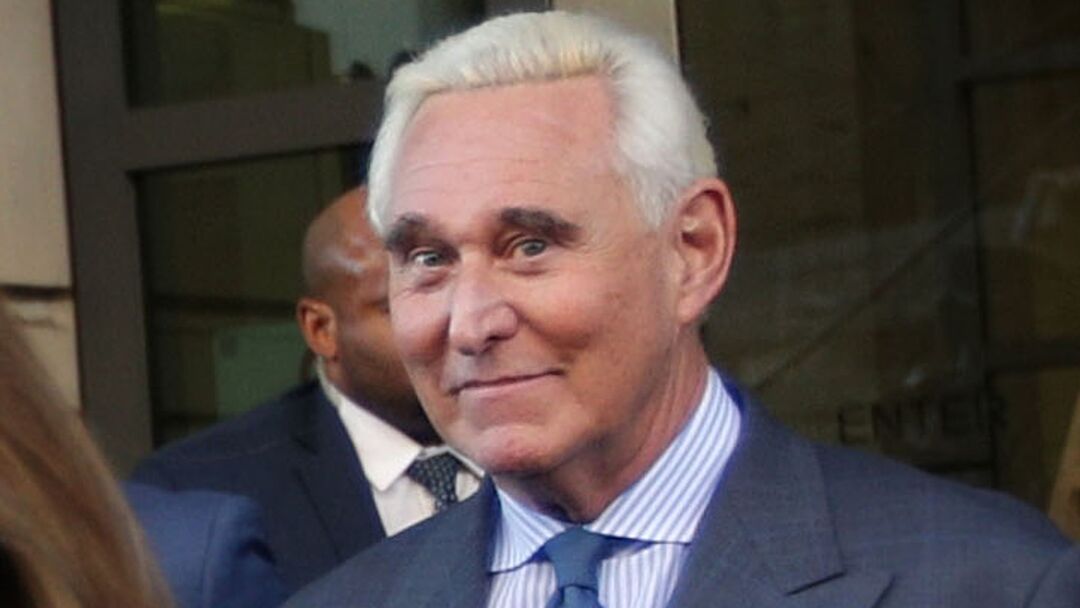
If you listen to the legacy media—those dying gasps of the pre-2024 world—you might assume Roger Stone had finally been exiled to the dustbin of history. They told us he was finished after the Mueller probe. They told us he was finished after the gag orders. They told us he was irrelevant.
And yet, here we are in 2026. The establishment is crumbling, the “adults in the room” are facing subpoenas, and Roger Stone? Roger Stone is just buying new suits.
The question “What ever happened to Roger Stone?” is usually asked by people who mistake silence for defeat. But Stone has never been defeated; he has only ever been strategic. While the Left was busy burning down Minneapolis and hyperventilating over “Project 2025,” Stone was doing what he has done since the Nixon administration: surviving, adapting, and pulling levers that most people don’t even know exist.
The StoneZONE: The Signal in the Noise
First, let’s dispel the myth that he went into hiding. He just moved to where the real conversation is. As of this month, his show, The StoneZONE, is one of the few places getting to the raw nerve of the Second Term agenda. While CNN anchors are talking to empty airports, Stone is broadcasting to the millions of Americans who realized long ago that “mainstream” is a synonym for “managed.”
He isn’t just a commentator; he is a conduit. When Stone speaks on WABC or Rumble, he isn’t guessing what the President thinks. He is articulating the id of the movement. He remains the longest-serving political gladiator in Donald Trump’s orbit, and in 2026, that loyalty is the only currency that matters.
The Operator in the Shadows
But Stone has never been content just talking. He is a man of action.
Recent filings show Stone is back in the trenches of American industry—specifically, pushing for the Uinta Basin Railway in Utah. The media calls it “lobbying.” I call it “getting things done.” While the green-energy utopians try to freeze us to death with solar panels that don’t work in January, Stone is working to ensure American crude can actually reach the Gulf Coast.
Is it controversial? Of course. It involves oil, trains, and Roger Stone. The trifecta of things that make a New York Times editor wake up in a cold sweat. But this is exactly why he is necessary. He is willing to touch the third rails that polite society ignores. He understands that energy independence isn’t a slogan; it’s a logistics problem, and sometimes you need a “political hitman” to cut the red tape.
The Last Laugh
There was a moment in late 2025 when reports surfaced of Stone leaving a courtroom due to illness. The vultures circled immediately, hoping that time had finally done what the Department of Justice couldn’t.
They were wrong again.
Roger Stone is currently 73 years old, and he has more fight in his pinky finger than the entire DNC leadership combined. He wears his “convicted felon” status (pardoned, rightfully) not as a scarlet letter, but as a combat medal. He is the living embodiment of the Nixonian principle: “A man is not finished when he is defeated. He is finished when he quits.”
Roger Stone never quits. And as long as he is breathing, the Swamp will never sleep soundly.
Recommended Viewing:
For a look at the man who refuses to be written out of the script, watch this breakdown of his recent influence on the 2024-2025 political landscape.
This video is relevant because it captures the unfiltered, strategic mindset of Roger Stone that Daniel Carter describes—specifically his role in shaping the political battlefield leading up to the current administration.


