

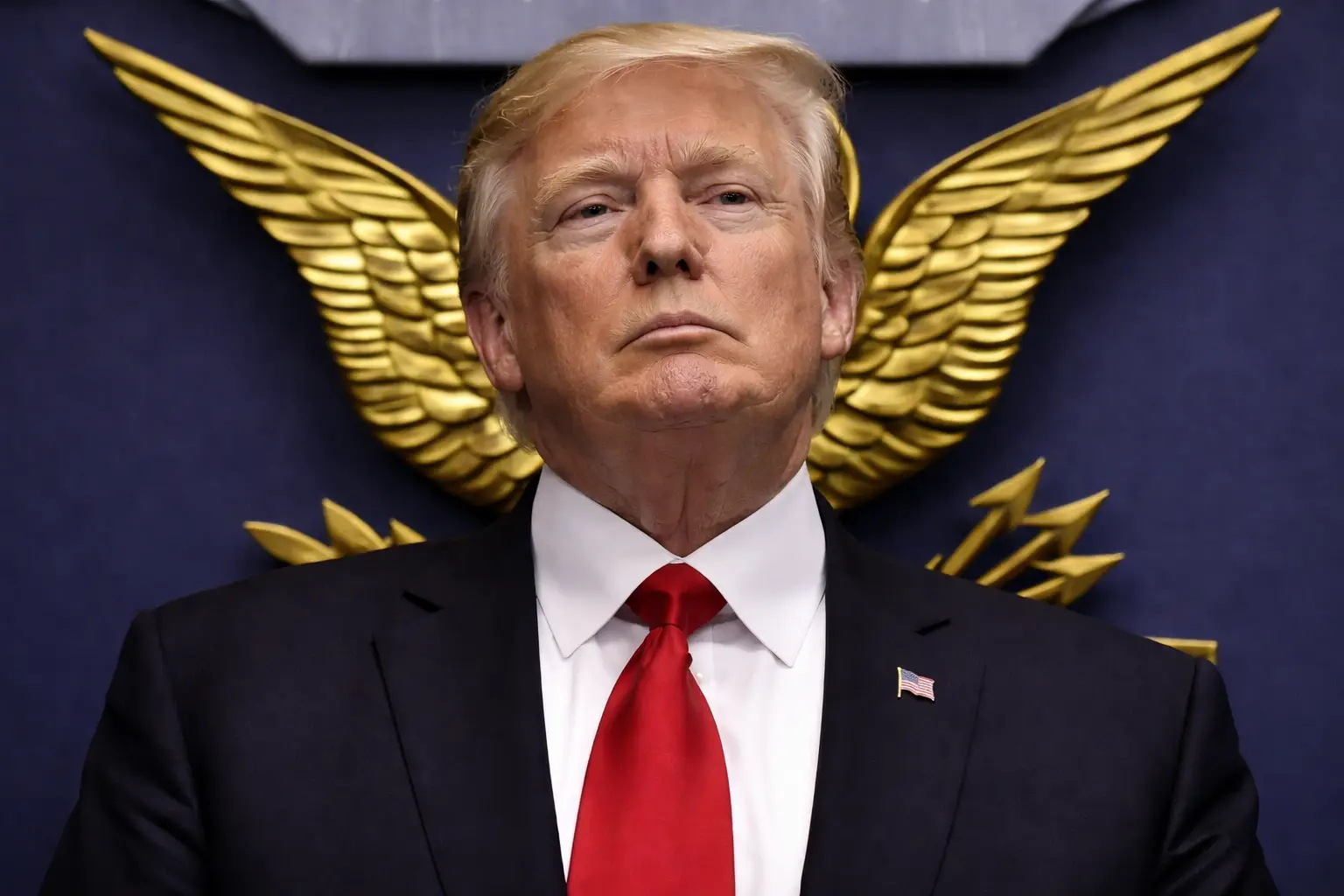
The phrase “Go get your own oil” has quickly become a defining soundbite as Donald Trump called on allies, including the United Kingdom, to take greater responsibility for securing energy supplies through the Strait of Hormuz. The Trump Strait of Hormuz oil warning reflects a broader shift in how global security responsibilities are being framed.
From my perspective, this is more than rhetoric—it signals a potential recalibration of international expectations around energy security and military cooperation.
Why the Strait of Hormuz Matters So Much
The Strait of Hormuz is one of the most critical chokepoints in the global energy system. Roughly a fifth of the world’s oil supply passes through this narrow maritime corridor, making it essential to both producers and consumers.
Any disruption in this region has immediate consequences. Shipping delays, increased insurance costs, and market volatility often follow even minor escalations. This is why statements like the Trump Strait of Hormuz oil warning carry significant weight.
A Shift in Burden-Sharing Among Allies
Traditionally, the United States has played a leading role in securing international shipping routes, particularly in volatile regions like the Persian Gulf. Trump’s comments suggest a different approach—one that emphasizes shared responsibility among allied nations.
For countries like the United Kingdom, this raises strategic questions. Should they increase naval presence? How should resources be allocated? And what risks come with deeper involvement?
From an analytical standpoint, the Trump Strait of Hormuz oil warning reflects ongoing debates about defense commitments and global leadership.
Energy Security Meets Geopolitics
Energy security is not just about supply—it is about control, access, and stability. The Strait of Hormuz sits at the intersection of these factors, making it a focal point for geopolitical tension.
When leaders emphasize self-reliance, they are also highlighting vulnerabilities. Nations that depend heavily on imported energy are particularly exposed to disruptions in this region.
The global oil chokepoint analysis, the Strait of Hormuz remains one of the most strategically sensitive routes in the world, reinforcing why it is central to international security discussions.
The Economic Ripple Effect
Statements and tensions surrounding the Strait of Hormuz have immediate economic implications. Oil markets react quickly to perceived risks, often driving price fluctuations even before any physical disruption occurs.
| Key Impact Area | Effect of Rising Tensions |
|---|---|
| Oil Prices | Increased volatility |
| Shipping Costs | Higher insurance and operational risk |
| Global Trade | Potential delays and rerouting |
| Energy Markets | Heightened uncertainty |
From what I’ve observed, the Trump Strait of Hormuz oil warning contributes to this volatility by signaling potential shifts in policy and security strategy.
Military and Strategic Considerations
Securing a chokepoint like the Strait of Hormuz requires coordinated naval operations, intelligence sharing, and rapid response capabilities. Any increase in allied involvement would require careful planning and clear communication.
The challenge lies in balancing deterrence with escalation risk. Increased military presence can stabilize the region, but it can also heighten tensions if not managed carefully.
This is where diplomacy and strategy intersect. The Trump Strait of Hormuz oil warning highlights the complexity of maintaining security without triggering further conflict.
Broader Implications for Global Alliances
Trump’s comments also raise broader questions about the future of international alliances. If responsibilities shift, how will that affect cooperation among NATO members and other partners?
Energy security has always been a shared concern, but the methods of addressing it are evolving. Calls for greater independence may lead to new strategies, partnerships, and even competition.
For broader insight into how geopolitical tensions are influencing policy decisions, this analysis of regional security dynamics examines recent developments.
Conclusion: A Turning Point in Energy and Security Policy
The Trump Strait of Hormuz oil warning is more than a headline—it is a reflection of shifting dynamics in global energy and security policy. It underscores the growing importance of shared responsibility and the challenges of maintaining stability in critical regions.
From my perspective, this moment represents a broader transition. As global systems evolve, nations must adapt to new expectations while managing longstanding risks.
In the end, the Strait of Hormuz remains a focal point not just for oil, but for the future of international cooperation and strategic balance.


