

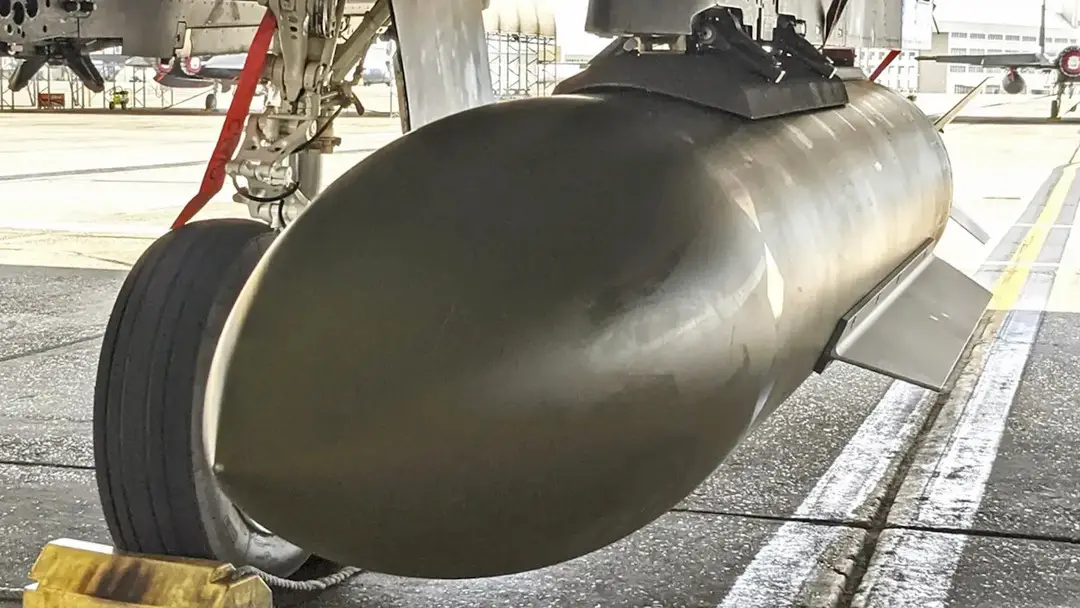
The moment reports surfaced that the United States had deployed bunker-buster bombs near the Strait of Hormuz, the implications were immediate and global. This is not just another tactical strike—it is a signal that the conflict has entered a far more dangerous phase. When military action targets one of the world’s most critical energy corridors, the consequences ripple far beyond the battlefield.
From my perspective, covering geopolitical flashpoints over the years, this development stands out not because of its scale alone, but because of where it happened. The Strait of Hormuz is not just a strategic chokepoint—it is the artery of the global energy system.
Why the Strait of Hormuz Matters More Than Any Battlefield
Roughly 20% of the world’s oil supply passes through the Strait of Hormuz every day. That figure alone explains why any military activity in the region instantly becomes a global concern.
The narrow waterway connects the Persian Gulf to international markets, serving as a critical route for oil exports from countries like Saudi Arabia, Iraq, and the UAE. Any disruption—whether through naval blockades, missile threats, or now bunker-buster strikes—has the potential to trigger price shocks and supply instability worldwide.
To understand the scale of this vulnerability, the U.S. Energy Information Administration provides detailed data on global oil transit routes, including the U.S. bunker-buster bombs Strait of Hormuz chokepoint analysis, which underscores just how dependent global markets are on this single passage.
What Makes Bunker-Buster Bombs Different
Bunker-buster bombs are not typical munitions. They are designed to penetrate deep underground targets, including fortified military installations, storage facilities, and command centers.
Their use suggests that the U.S. is not simply engaging in surface-level deterrence. Instead, it indicates a deliberate effort to target hardened infrastructure, possibly linked to missile systems, underground bases, or logistics hubs tied to Iranian operations.
From a strategic standpoint, this is a major escalation. It signals a shift from defensive positioning to preemptive or retaliatory strikes aimed at degrading long-term capabilities.
A War Expanding Beyond Borders
What makes this moment especially volatile is that the conflict is no longer confined to isolated clashes. It is expanding geographically and strategically.
The use of bunker-buster bombs near the Strait of Hormuz suggests that the conflict has entered a phase where critical infrastructure is now a target. This raises the stakes dramatically, as any disruption in the region can impact not just military actors, but global economies.
In recent days, tensions have also involved proxy groups, maritime threats, and retaliatory missile launches. The battlefield is no longer defined by a single front—it is becoming a multi-layered regional conflict with global consequences.
Economic Shockwaves Already Taking Shape
Even before any sustained disruption occurs, markets react to risk. Oil prices tend to spike not only when supply is cut, but when the threat of disruption increases.
From what I’ve observed, this is where the real impact begins. Traders price in uncertainty quickly, and insurance costs for shipping routes can surge overnight. If the Strait of Hormuz becomes unstable, the result could be:
- Higher global fuel prices
- Increased shipping costs
- Pressure on already fragile supply chains
The economic dimension of this conflict may ultimately prove just as significant as the military one.
Strategic Messaging Behind the Strike
Military actions of this scale are never purely tactical—they are also messages.
By deploying bunker-buster bombs, the United States is signaling that it is willing to target deeply embedded assets, not just surface threats. This serves both as a warning to Iran and as reassurance to allies that Washington is prepared to escalate if necessary.
At the same time, such actions carry risk. Escalation can provoke asymmetric responses, including attacks on shipping, cyber operations, or actions by regional proxy forces.
In other words, the strike may deter—but it may also invite retaliation in less predictable forms.
The Thin Line Between Deterrence and Escalation
One of the most difficult aspects of modern conflict is maintaining deterrence without triggering a broader war.
From a strategic perspective, bunker-buster strikes walk a fine line. They demonstrate capability and resolve, but they also risk pushing the opposing side into a corner.
History shows that when critical infrastructure is targeted, conflicts often shift from controlled engagements to unpredictable escalation cycles. The Strait of Hormuz, given its global importance, amplifies that risk exponentially.
What Happens Next

The next phase of this situation will depend on how Iran responds—and how global powers react.
If tensions continue to rise, we could see increased military presence in the region, tighter control over shipping lanes, and further economic fallout. Alternatively, diplomatic efforts may intensify to prevent a broader crisis.
For readers tracking the wider implications of this conflict, understanding how strategic chokepoints influence global stability is essential. The Strait of Hormuz is not just a regional issue—it is a global pressure point.
A Moment That Could Redefine the Conflict
The use of bunker-buster bombs near the Strait of Hormuz marks a turning point. It is a reminder that modern conflicts are no longer confined to distant battlefields—they are deeply interconnected with global systems.
From energy markets to international security, the consequences of this escalation are already unfolding. The real question is not just what happens next militarily, but whether the world can absorb the shock without tipping into a broader crisis.
As I see it, this is one of those moments where a single decision can reshape the trajectory of an entire region—and possibly the global economy itself.


