

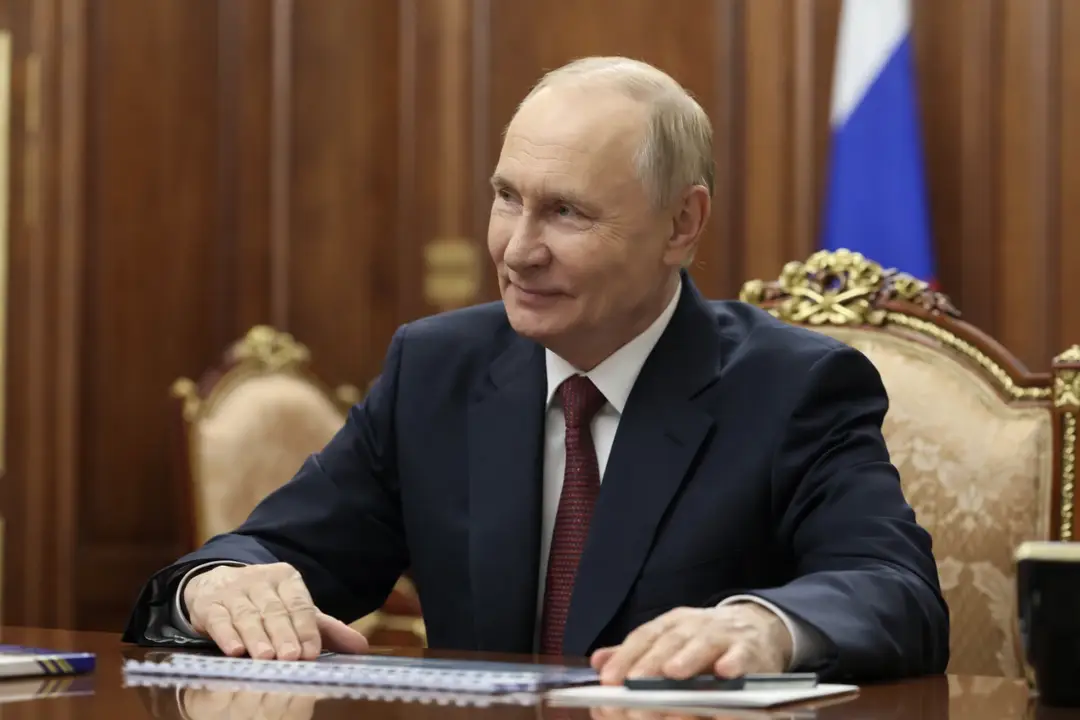
Vladimir Putin has offered to mediate potential peace talks involving Iran following the collapse of negotiations between the United States and Iran in Islamabad. The offer introduces a new dimension to an already complex diplomatic landscape, signaling Moscow’s intent to expand its influence in high-stakes geopolitical negotiations.
The timing is critical. With talks ending without a breakthrough, the absence of a diplomatic pathway has created an opening for alternative mediators to step in.
The Breakdown of US–Iran Negotiations
Negotiations between the United States and Iran in Islamabad concluded after prolonged discussions failed to produce an agreement. The talks were widely viewed as a potential opportunity to reduce tensions, particularly around nuclear policy, sanctions, and regional security concerns.
However, deep structural disagreements persisted. Key issues ranging from verification mechanisms to economic concessions remained unresolved, ultimately leading to a diplomatic impasse.
The development signals deeper challenges examined in Middle East negotiation deadlocks, where competing priorities often limit the scope for compromise.
Russia’s Strategic Positioning
Putin’s offer to mediate is not merely a diplomatic gesture it is a strategic move. Russia has maintained working relationships with both Iran and various regional actors, positioning itself as a potential intermediary capable of facilitating dialogue.
By stepping forward at this moment, Moscow signals its willingness to play a more active role in shaping outcomes in the Middle East. This aligns with a broader pattern of expanding Russian influence in global conflict zones, particularly where Western-led efforts have stalled.
The move also reinforces Russia’s image as an alternative diplomatic power center, capable of engaging in negotiations where others have struggled.
Implications for Global Power Dynamics
The introduction of Russia as a potential mediator shifts the balance of diplomatic influence. Traditionally, negotiations involving Iran have been dominated by Western powers or multilateral frameworks. Putin’s involvement challenges that dynamic.
This development raises important questions about the future of global diplomacy. If Russia successfully positions itself as a mediator, it could reshape how international conflicts are managed—particularly in regions where Western influence is contested.
At the same time, such a shift could complicate existing alliances, as countries reassess their strategic alignments.
The Role of Islamabad in Regional Diplomacy
The choice of Islamabad as the venue for US–Iran talks underscores Pakistan’s growing role in facilitating dialogue between competing powers. While the talks did not succeed, the setting itself reflects an evolving diplomatic landscape.
Pakistan’s ability to host such negotiations highlights its strategic importance and its potential to act as a bridge between different geopolitical blocs.
This aligns with broader regional dynamics, where countries are increasingly leveraging their positions to influence global negotiations.
Challenges Facing Any Mediation Effort
Despite Putin’s offer, the path to successful mediation remains highly complex. The core issues that led to the failure of the US–Iran talks have not changed, and any mediator will face the same fundamental obstacles.
Trust deficits, conflicting strategic goals, and domestic political pressures all contribute to the difficulty of reaching an agreement. Mediation can facilitate dialogue, but it cannot eliminate these underlying challenges.
From a strategic standpoint, the success of any mediation effort will depend on whether it can create mutually acceptable incentives for both sides.
International Reactions and Strategic Calculations

Global reactions to Putin’s offer are likely to be mixed. Some may view it as a constructive step toward reviving dialogue, while others may see it as an attempt to expand geopolitical influence.
For Western nations, the development introduces a new variable into an already complex equation. For regional actors, it presents both an opportunity and a risk, depending on how the mediation effort unfolds.
For additional insight into how mediation efforts shape international negotiations, the Putin mediates Iran talks framework can be explored through United Nations resources on conflict resolution and diplomacy.
A Turning Point or Temporary Shift?
Whether Putin’s offer represents a turning point or a temporary shift in diplomatic strategy remains uncertain. Much will depend on how Iran and the United States respond to the proposal and whether meaningful dialogue can be re-established.
The current moment reflects a broader trend: as traditional negotiation channels face limitations, alternative actors are stepping in to fill the gap.
Conclusion: Diplomacy in Transition
Putin’s offer to mediate Iran peace talks highlights a significant shift in the global diplomatic landscape. With US–Iran negotiations ending without a breakthrough, the search for new pathways to dialogue has become more urgent.
The involvement of Russia introduces both opportunities and complexities. As geopolitical tensions continue to evolve, the effectiveness of this mediation effort could play a critical role in shaping the future of regional and global stability.


