

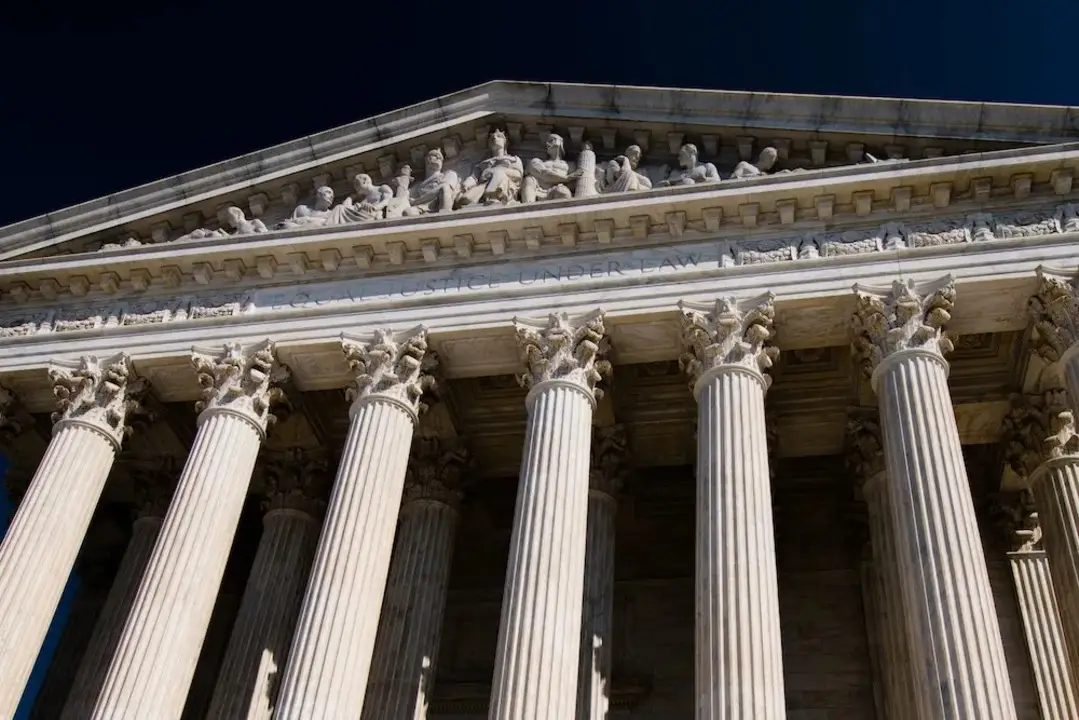
A landmark decision by the Supreme Court of the United States has sent shockwaves through Washington, Wall Street, and global trade networks. In a move that could redefine the boundaries of executive power, the Court has struck down the sweeping tariffs originally imposed by Trump’s administration. This ruling is widely regarded as a turning point in U.S. trade policy, with far-reaching consequences for businesses, lawmakers, and international economic relationships.
As markets and policymakers react, analysts are already calling this one of the most significant trade-related Supreme Court decisions in decades.
The Background: How Trump-Era Tariffs Changed U.S. Trade
To fully appreciate the significance of this decision, it’s important to revisit the origins of the tariffs. President Donald Trump enacted a series of aggressive trade measures aimed at protecting American manufacturing and closing trade gaps. Using executive authority under national security and emergency powers, the administration levied tariffs on a broad range of imported goods most notably from China and certain European partners.
Proponents praised these measures for reviving domestic industry and pushing back against perceived unfair trading practices. Critics, however, countered that the tariffs increased costs for U.S. businesses and consumers, disrupted supply chains, and escalated tensions with key trading partners.
Longstanding legal challenges questioned whether the president could impose such sweeping tariffs without Congressional oversight. The Supreme Court’s 2026 decision has now answered that question with a resounding “no.”

Supreme Court Ruling: Limiting Executive Power
At the heart of the case was a pivotal constitutional question: Who truly holds the power to impose broad tariffs? The Court ruled that, while the executive branch retains some flexibility in managing trade, the ultimate authority to levy taxes and duties lies with Congress.
By overturning the tariffs, the Supreme Court reaffirmed the principle of separation of powers emphasizing that large-scale economic interventions require legislative approval. Legal scholars say this ruling will have ramifications that extend far beyond trade policy, potentially constraining future administrations in a wide range of economic decisions.
This precedent-setting case signals a new era for the relationship between the executive and legislative branches over economic matters.
Immediate Impact on U.S. Businesses and Industry
The decision brings both relief and uncertainty to American businesses. Companies that rely on imported goods may benefit from reduced costs, as lifted tariffs are expected to ease prices across multiple sectors. Manufacturers dependent on international supply chains could experience greater efficiency and flexibility. Retailers, too, may find reason to adjust pricing strategies as import expenses decline.
On the other hand, domestic industries that previously gained an advantage from tariff protections could now face increased competition from foreign producers raising concerns about jobs and market share.
The coming months will be critical as businesses adapt to a new, post-tariff environment.
Global Market Reaction
Global markets responded swiftly to the ruling. U.S. and international stock indices rose on the news, reflecting optimism over a more stable and predictable trade environment. The U.S. dollar experienced expected volatility as investors recalibrated expectations about future policy and global trade flows.
International partners, many of whom had seen their exports impacted by the U.S. tariffs, largely welcomed the move. Several governments expressed hope that the decision would pave the way for reduced trade tensions and renewed cooperation. Many affected countries are now likely to seek new trade agreements or expand economic ties in a less restrictive environment.

Political Reactions and Policy Shifts
The ruling ignited immediate debate within political circles. Lawmakers from both major parties have weighed in, with some praising the Court’s affirmation of Congressional authority and others voicing concern about the potential impact on domestic industries.
For Congress, the decision presents both a challenge and an opportunity: with greater responsibility for trade, legislators must create frameworks that support American economic interests and global competitiveness. Future presidents, meanwhile, will have to work more closely with Congress to address economic and trade issues a shift that could make trade policy more transparent but also potentially slower to adapt during crises.
Implications for the Future of U.S. Trade Policy
The Supreme Court’s decision marks a new phase in the evolution of American trade policy. By reinforcing the primacy of Congress in tariff matters, it introduces a more structured, collaborative approach to economic decision-making.
The result could be more comprehensive trade agreements, supported by a wider array of stakeholders and less prone to abrupt change. For business leaders and investors, increased predictability could enable more confident long-term planning.
However, this policy shift will require adjustment from both government and industry, as the tempo and style of economic intervention becomes more deliberate.

Why This Story Is Trending in 2026
Search interest in phrases such as “Supreme Court tariffs ruling,” “Trump tariffs decision 2026,” and “U.S. trade policy changes” has soared following the ruling. The mix of legal precedent, economic impact, and political ramifications ensures that this decision remains a major topic in news cycles and online discussions.
For businesses, economists, legal scholars, and international partners, the intersection of constitutional law and economic policy makes this story both highly relevant and likely to shape the conversation for months to come.
Redefining the Future of U.S. Economic Policy
The Supreme Court’s decision to block the Trump-era tariffs is a watershed moment in American trade and governance. By underscoring the role of Congress in shaping the nation’s economic policy, the Court has reset the balance of power and set a significant precedent for future decisions.
While some benefits and disruptions are already evident, the full effects both at home and abroad will continue to unfold in the years ahead. As the United States adapts to this new chapter in trade policy, the interplay between law, politics, and economics will remain at center stage, shaping America’s role in an ever-evolving global market.


