

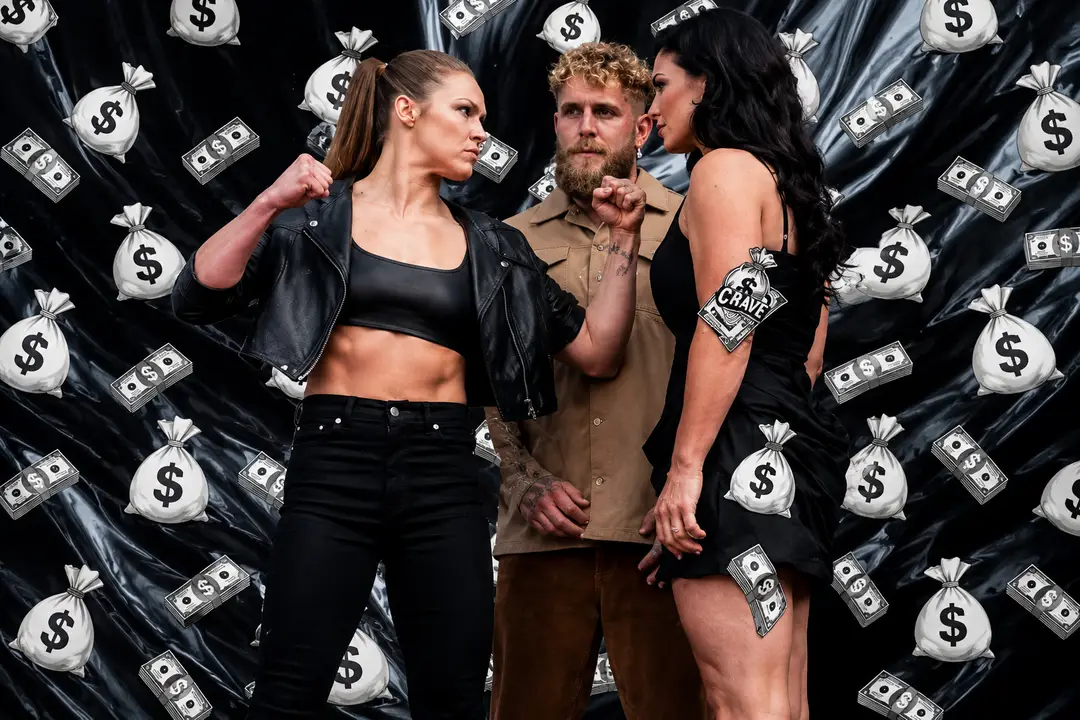
The Ronda Rousey Carano payday matters because it shows how quickly combat sports can turn nostalgia, celebrity, and competitive risk into a headline-grabbing financial moment. A fight that lasted only seconds became a larger story about leverage, legacy, and what the modern fight business now rewards.
Why The Ronda Rousey Carano Payday Hit So Hard
A $2.2 million purse for a fight described in some headlines as lasting 15 seconds is not just a sports-business oddity. It is a reminder that combat-sports pay is rarely tied only to time spent competing. It is tied to name value, audience curiosity, promotional power, and the emotional pull of a matchup people already understand before the opening bell.
Rousey and Carano were never ordinary names in women’s MMA. Carano helped make the women’s side of the sport visible before it was fully embraced by the mainstream. Rousey later became the crossover star who forced the industry to treat women’s championship fights as major commercial events. That history gave the matchup built-in commercial gravity before either fighter stepped into the cage.
The short duration only sharpened the reaction. A long, tactical fight might have produced a different conversation. Instead, the instant finish turned the purse into the story. Fans did the math. Critics questioned the matchmaking. Promoters saw proof that familiar names can still move attention faster than traditional rankings.
The Real Product Was Never Just The Fight
The most important thing to understand is that this was not sold like a standard climb through a division. It was sold as an event. That distinction matters.
In modern MMA, the fight itself is only one part of the product. The rest is memory, personality, conflict, comeback energy, and the audience’s willingness to watch something that feels culturally loud. Rousey’s return carried all of that. Carano’s involvement added a pioneer-versus-pioneer layer that normal matchmaking cannot manufacture overnight.
That is why the purse feels less surprising when viewed through a business lens. The market was not paying Rousey for 15 or 17 seconds of cage time. It was paying for years of brand equity, public recognition, and the promotional certainty that her name would travel beyond hardcore MMA circles. That is the economics of attention at work.
The wider Ronda Rousey vs. Gina Carano fight conversation also shows how legacy matchups can create tension between sporting credibility and entertainment demand. For purists, the concern is obvious: when a mismatch becomes commercially successful, the incentive structure can tilt away from competitive merit. For promoters, the answer is equally obvious: audiences still reward stories they already care about.
Rousey’s Leverage Came From More Than Fame
Rousey’s value has always been unusually layered. She was not just a former champion. She was an Olympic judoka, a UFC breakthrough figure, a pay-per-view attraction, and later a professional wrestling star with mainstream name recognition. That combination gave her a broader audience than most retired fighters can claim.
A standard fighter profile captures wins, losses, weight class, and style, but Ronda Rousey’s MMA profile only tells part of the commercial story. Her deeper value comes from what she represents: dominance, controversy, vulnerability, reinvention, and unfinished public curiosity.
That is why the purse resonated. Fans were not simply watching a former champion return. They were watching a figure whose career had already been mythologized, criticized, defended, and revisited for years. The brief finish gave supporters a clean final image and gave skeptics another reason to debate the event’s legitimacy.
From a promoter’s perspective, that debate is not a problem. It is fuel. The best-selling combat-sports events often live in the space between admiration and argument. Rousey’s return created exactly that.
What The Payday Says About MMA’s Streaming Era
The streaming era has changed the way fight cards are packaged. A platform does not simply want a technically sound event. It wants a marketable moment that can cut through entertainment noise, social feeds, and weekend competition. Rousey’s payday fits that environment perfectly.
A recognizable star delivers value before the event even happens. Press coverage, social conversation, search demand, and casual viewer curiosity all become part of the return. That makes a comeback fight more than a sporting contest. It becomes a content asset.
This creates opportunity for fighters with real leverage. Stars who bring a built-in audience can negotiate differently, especially when promoters and platforms need immediate visibility. The same logic appears across boxing and MMA, where legacy names, crossover athletes, and celebrity-linked cards often command attention disproportionate to their current competitive relevance. Readers looking at that broader pattern can compare it with combat-sports money pressure, where financial narratives can become part of the spectacle itself.
The risk is that the sport becomes too dependent on the familiar. If every major event leans on nostalgia, the next generation of contenders can struggle to become stars. That is a dangerous promotional habit because it solves today’s attention problem while weakening tomorrow’s talent pipeline.
The Trade-Off Between Spectacle And Sporting Merit
There is an uncomfortable truth beneath the headline: spectacle fights can be both commercially logical and competitively flawed. Those ideas can exist at the same time.
Carano’s long absence from MMA made the matchup easy to question. Rousey’s finishing ability made the result feel predictable once the fight began. Yet the event still attracted attention because the audience understood the names, the history, and the emotional framing. That is the central trade-off for modern fight promotion.
For fighters, this can be empowering. A major payday can reward years of risk, sacrifice, and brand-building. Combat sports are physically punishing, and very few athletes receive life-changing compensation. When a fighter with Rousey’s profile cashes in, it reflects a market that finally recognizes the value she brings.
For the sport, the implications are more complicated. If matchmaking becomes too spectacle-driven, rankings lose meaning. If legacy stars dominate headline slots, active contenders can become background figures. If platforms reward shock value over sporting progression, fans may get big events that feel less connected to championship stakes.
That does not mean these fights should not exist. It means they need to be understood honestly. They are not always about finding the best fighter in a division. Sometimes they are about monetizing memory.
What Readers Should Watch Next
The Ronda Rousey Carano payday should make readers ask a sharper question: what does modern MMA actually value most? The answer is not simple. It values elite competition, but it also values familiarity. It values athletic danger, but it also values storytelling. It values rankings, but not always as much as it values names.
That balance will define the next phase of the sport. Promoters will keep testing how much audiences want legacy matchups, streaming-friendly spectacles, and fast-selling comeback stories. Fighters with recognizable brands will keep looking for paydays that reflect their drawing power. Younger contenders will need platforms that can turn competitive excellence into mainstream interest before nostalgia consumes too much oxygen.
The most useful takeaway is not outrage over the purse or blind praise for the spectacle. It is recognition that combat sports are entering a more fragmented marketplace, where athletic merit and entertainment value constantly compete for priority. The Ronda Rousey Carano payday is not just a wild number attached to a short fight. It is a signal of where MMA money, media attention, and promotional strategy may be heading next.


